The United States has one of the largest factory-built housing markets in the world. Buyers can choose from manufactured homes, modular homes, custom prefab homes, modern design-led homes and regional modular building systems.
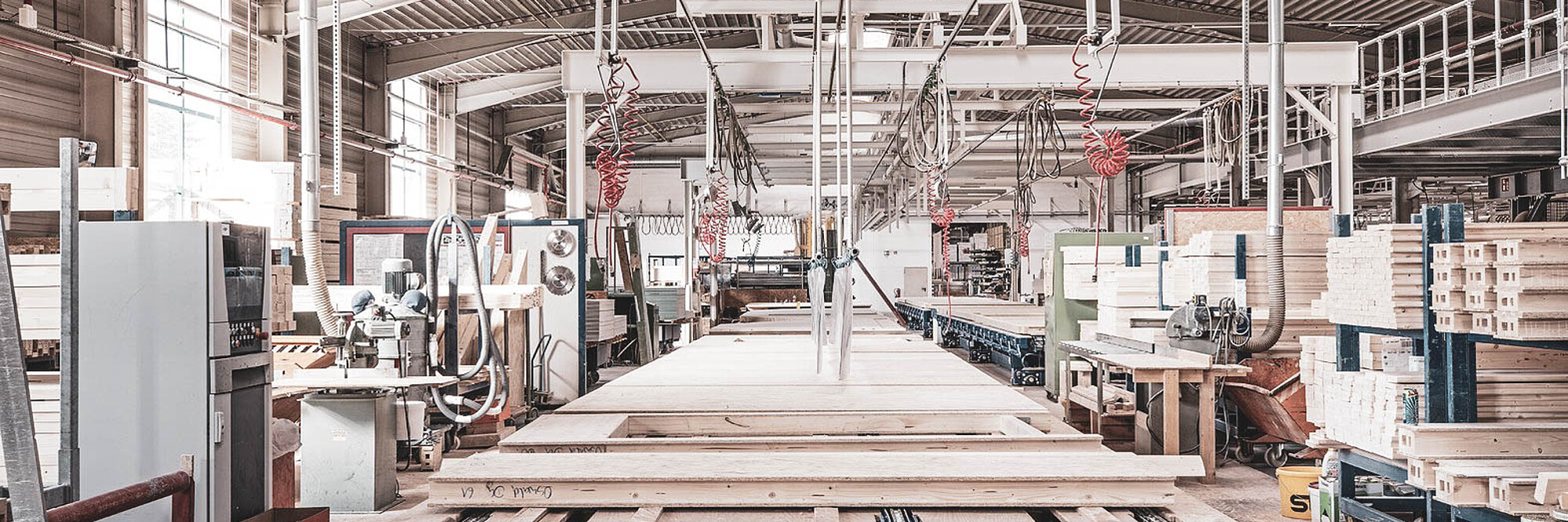
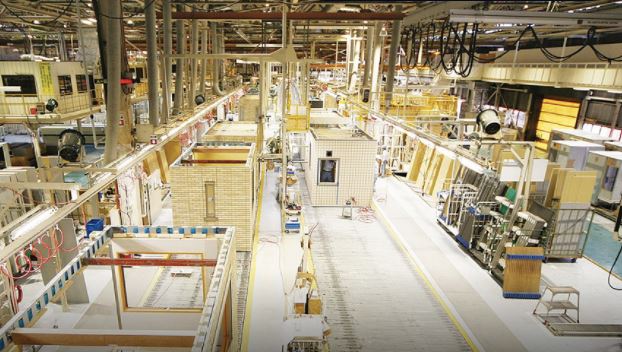
A prefab home is a home made partly or fully in a factory before it is delivered to the final site. This can include modular homes, manufactured homes, panelized homes and other factory-built systems.
This article lists 10 notable prefab manufacturers in the USA. It is not a perfect ranking from best to worst. The “best” manufacturer depends on your land, state rules, budget, design needs, financing, delivery region and the type of home you want.
What counts as a prefab home in the USA?
In the US, the word “prefab” can mean several different things.
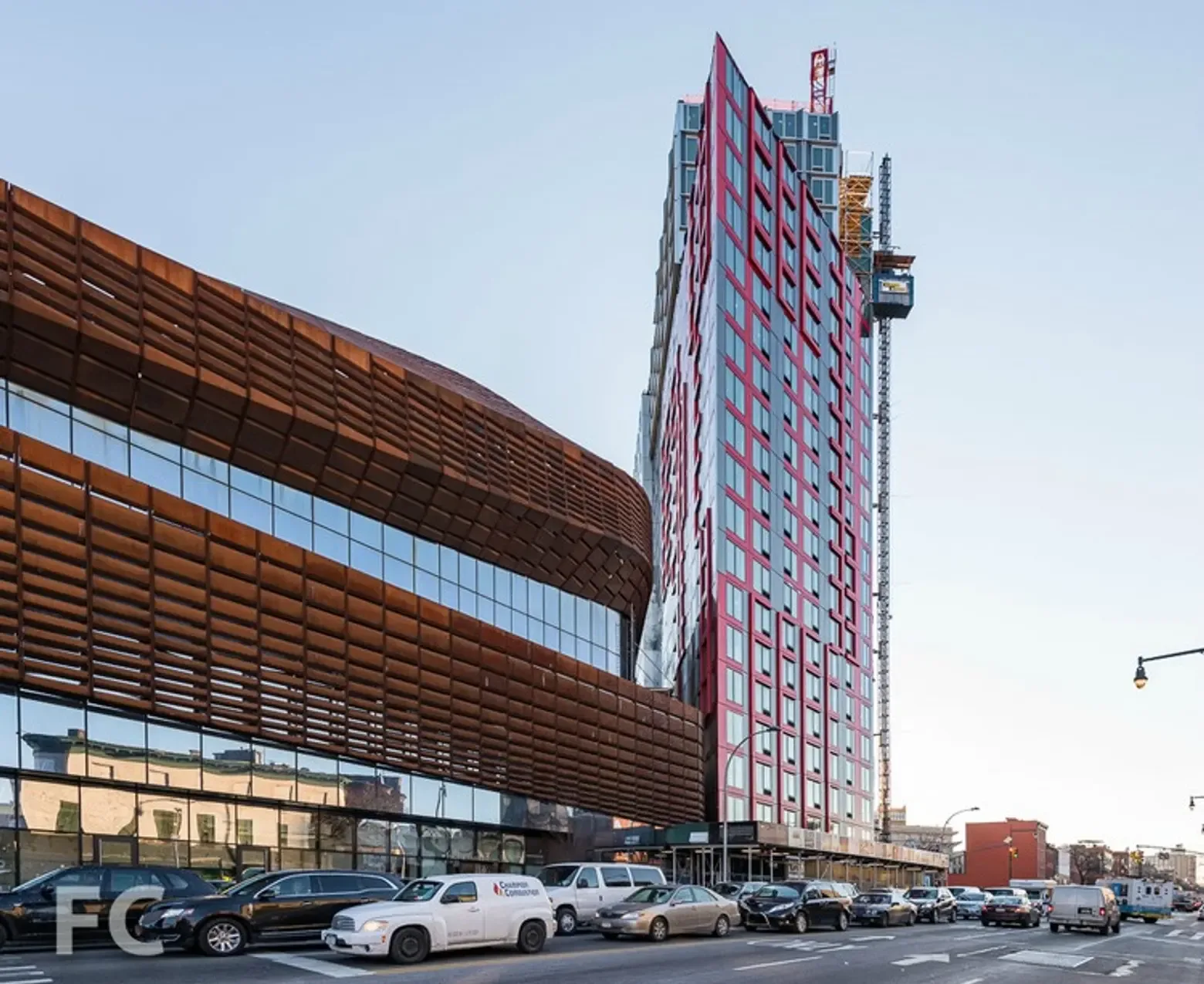
A modular home is built in factory-made sections called modules. These modules are transported to the site and placed on a permanent foundation. Modular homes usually need to follow the building codes that apply in the state and local area where the home will be placed.
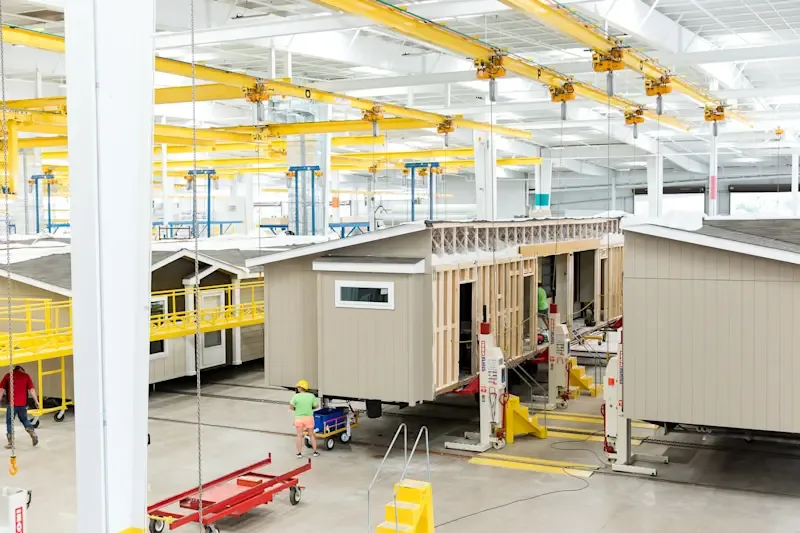
A manufactured home is also built in a factory, but it is a different legal category. Manufactured homes are built under the federal HUD Code. They are often distributed through retailers and may have different zoning, financing and installation rules compared with modular homes.
A custom prefab home is usually a factory-built home designed around a buyer’s land and lifestyle. It may be modular, panelized or another system.
For buyers, this distinction matters. Two companies may both sell “prefab homes,” but the legal process, delivery method and final installation can be different.
10 notable prefab manufacturers in the USA
1. Clayton Homes
Clayton Homes is one of the largest factory-built home companies in the United States. It offers manufactured, modular and mobile homes through a wide retail and production network.
Clayton can be a useful starting point for buyers who want many floor plans, national availability and a large established company. The company is especially relevant for buyers comparing manufactured and modular home options.
Before buying, check whether the specific model available in your area is manufactured or modular, what code it follows and what is included after delivery.
2. Champion Homes
Champion Homes is another major name in the US factory-built housing market. The company works through a family of brands and offers manufactured homes, modular homes, park models and modular buildings.
Champion is relevant for buyers who want a broad selection and access to different regional builders or retailers. Because Champion operates through multiple brands, the exact product and process can vary by location.
A buyer should confirm the local brand, factory, builder network and whether the selected home type is allowed on the chosen land.
3. Cavco Homes
Cavco Homes is a large US producer of manufactured and modular homes. The company offers many floor plans and serves buyers across a wide range of budgets and home styles.
Cavco can be suitable for buyers who want an established factory-built home company with many options. It may be especially useful for people comparing manufactured homes, modular homes and park model-style living solutions.
As with other large companies, buyers should check the exact product category, local availability, installation scope and dealer responsibilities.
4. Ritz-Craft
Ritz-Craft is a well-known modular home manufacturer. It builds modular homes, manufactured housing, multi-family housing, retirement homes, community developments and other modular structures.
For buyers looking for a more traditional modular home path, Ritz-Craft can be a strong company to compare. It works with independent builders, so the local builder relationship is important.
The buyer should ask which local builder will manage the project, what is included by the factory and what must be handled on site.
5. Excel Homes
Excel Homes focuses on modular home construction and presents its process as a faster way to build a custom home. It is relevant for buyers who want a modular home but still want design choices and customization.
Excel can be interesting for buyers in regions where its builder network operates. It may fit people looking for a permanent home rather than a temporary or mobile structure.
Before moving forward, buyers should confirm whether Excel can serve their state, what design changes are possible and how local site work is handled.
6. Affinity Modular
Affinity Modular builds modular homes in a controlled factory environment and focuses on delivery and assembly on site. It is especially relevant for buyers in the southeastern United States.
Affinity can be a useful option for buyers who want a regional modular manufacturer rather than a national manufactured-home brand. Its focus on modular homes makes it relevant for buyers who want a home placed on a permanent foundation.
Buyers should ask about service area, wind and climate requirements, local builder partners and what parts of the project are included.
7. Icon Legacy Custom Modular Homes
Icon Legacy Custom Modular Homes is a modular manufacturer based in Pennsylvania. It works as a business-to-business supplier for builders and developers rather than selling directly to every consumer.
This is important for buyers to understand. Some modular manufacturers do not work directly with the final homeowner. Instead, the buyer works through a builder who orders the modules from the manufacturer.
Icon Legacy can be relevant if your local builder works with the company or if you are comparing custom modular options on the East Coast.
8. Method Homes
Method Homes is a custom prefab and modular home builder known for architect-designed homes. It is more design-focused than many large manufactured-home companies.
Method may be suitable for buyers who want a custom modern prefab home and are ready for a more detailed design process. It can be a better fit for land-specific projects, cabins, high-end homes or architect-led builds.
This type of prefab project usually requires more planning than choosing a standard catalogue model. Buyers should confirm design fees, site work, transport, installation and total project scope.
9. Connect Homes
Connect Homes is a modular home manufacturer focused on modern prefab homes and industrialized construction. It has offered single-family homes, smaller units and housing solutions built with a factory-based process.
Connect Homes can be interesting for buyers who want a modern design and a more standardized modular system. It may be especially relevant in markets where the company can handle delivery and installation.
Before choosing, buyers should check current service areas, available models, delivery timing, site preparation requirements and what happens after the modules arrive.
10. Dvele
Dvele builds modern prefab modular homes with a strong focus on energy systems and smart home features. The company presents its homes as self-powered, using solar panels, batteries and efficient systems.
Dvele can be relevant for buyers who want a high-performance modern prefab home rather than a basic factory-built model. It may fit buyers interested in energy independence, design and technology.
As with all advanced prefab systems, the buyer should check service availability, local code approval, installation scope and what is included in the final price.
How to choose the right manufacturer
The best prefab manufacturer is not always the biggest one.
A large company may offer more floor plans and a wider dealer network. A smaller custom manufacturer may offer more design flexibility. A regional modular builder may understand local climate, transport routes and state rules better.
Start with your land. Check what type of home is allowed there. Some areas may allow modular homes but restrict manufactured homes. Other areas may have rules about size, appearance, roof pitch, foundation type or utility connections.
Then decide what you need. Do you want the most affordable full-time home? A modern custom house? A small ADU? A modular cabin? A high-performance energy-efficient home?
Only after that should you compare prefab manufacturers.
Questions to ask before buying
Before signing anything, ask clear questions.
What type of home is this: modular, manufactured, panelized or another system?
Is it allowed on my land?
Which building code or standard applies?
What is included in the price?
Who handles permits, foundation, utilities, crane work and final installation?
Can I see completed projects?
Who is responsible if something is damaged during transport or installation?
Can I speak with the local builder or dealer before paying?
These questions matter because prefab homes are not just products. They are building projects. The factory is only one part of the process.
How PrefabFind helps buyers compare options
PrefabFind helps buyers compare prefab manufacturers by country, building type and project category. This is useful because the prefab market can be confusing. One company may sell manufactured homes, another may build custom modular houses, and another may only work through builders.
For buyers, PrefabFind can be a starting point for research before contacting manufacturers directly. The goal is to compare suppliers more clearly and ask better questions before making a serious decision.
Conclusion
The USA has many strong prefab home manufacturers, from large factory-built housing brands like Clayton, Champion and Cavco to custom modular companies like Method Homes, Connect Homes and Dvele.
There is no single best company for every buyer. The right choice depends on your land, state and local rules, budget, design expectations, service area and how much of the construction process you want the manufacturer or builder to handle.
The safest approach is to compare several prefab manufacturers, understand the type of home being offered and get every responsibility written clearly before you pay.