Yes, tall buildings can be built using modules. In some cases, even high-rise residential towers have been built with modular construction.
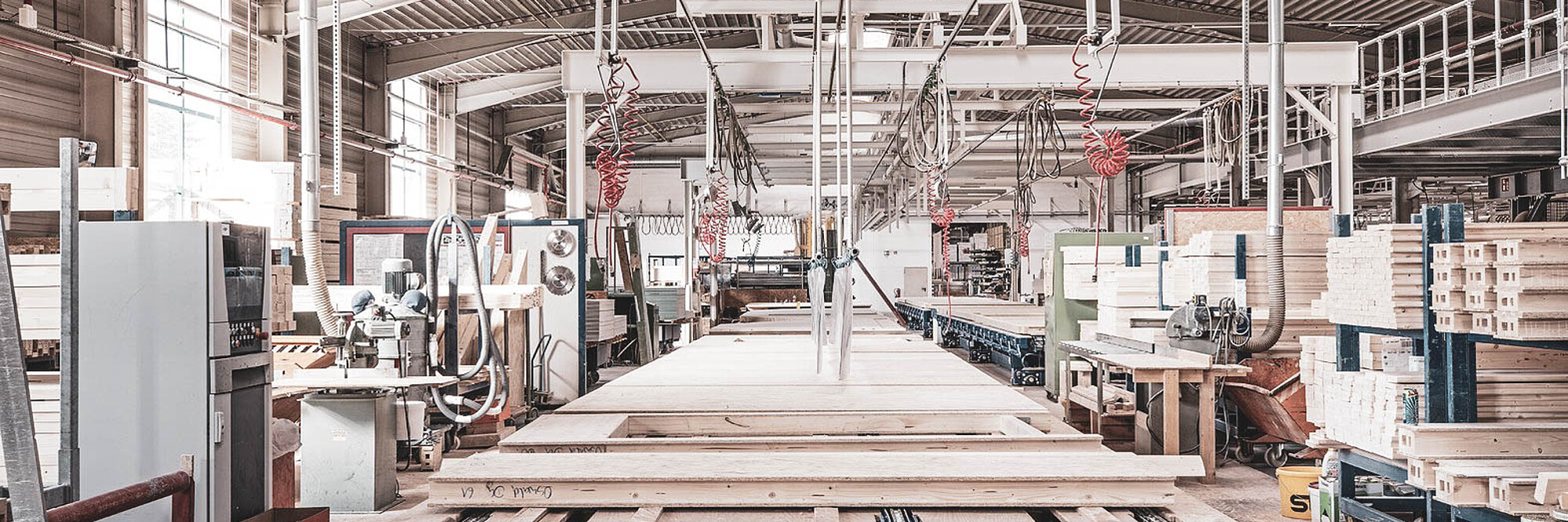
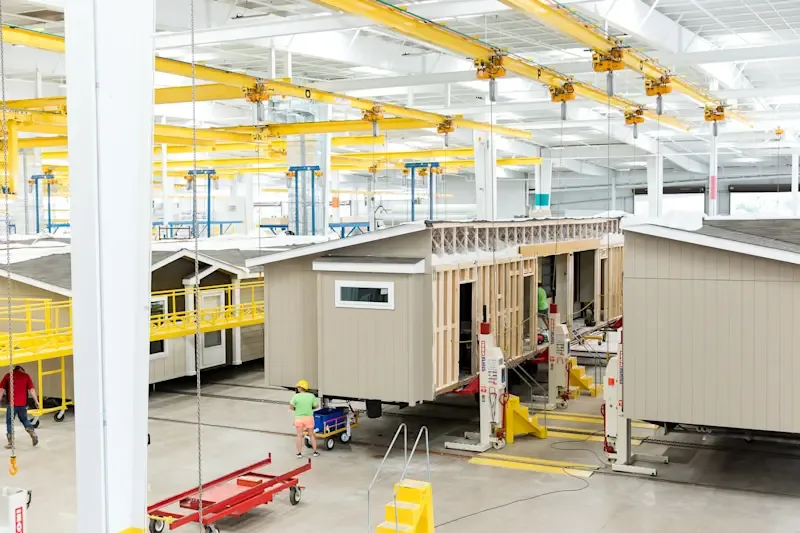
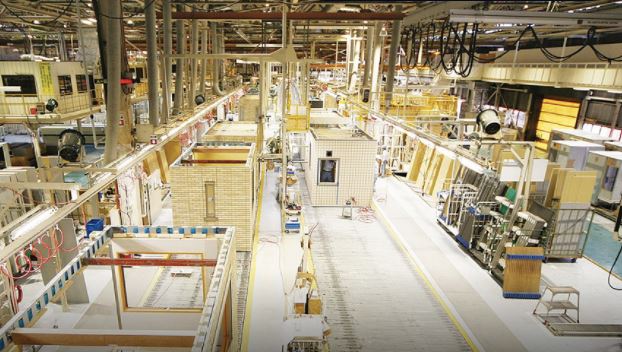
A module is a factory-made three-dimensional section of a building. It can be transported to the construction site and lifted into place by crane. In simple prefab homes, a module may be part of a house. In high-rise buildings, many modules can be stacked and connected around a strong structural core.
This does not mean every skyscraper can be built like a set of boxes. Tall modular buildings still need serious engineering, fire safety planning, transport planning, foundations, cranes, building approvals and site work. But real projects show that modular construction is no longer only for small cabins or simple prefab homes.
What modular construction means in tall buildings
In a normal prefab home, factory production can reduce the amount of work done on site. The same idea can be used in larger buildings, but the technical demands are much higher.
For tall buildings, modules may include parts of apartments, hotel rooms, student rooms or co-living units. Some modules can arrive with walls, floors, ceilings, windows, services and interior finishes already prepared.
The building is usually not made only from modules. Many high-rise modular projects still use a concrete core, steel structure, foundations and other traditional construction elements. The modules are then installed around or onto this structure.
This is why the term “modular skyscraper” should be used carefully. It usually means a high-rise building that uses volumetric modular construction for a large part of the building, not a tower made only from loose blocks.
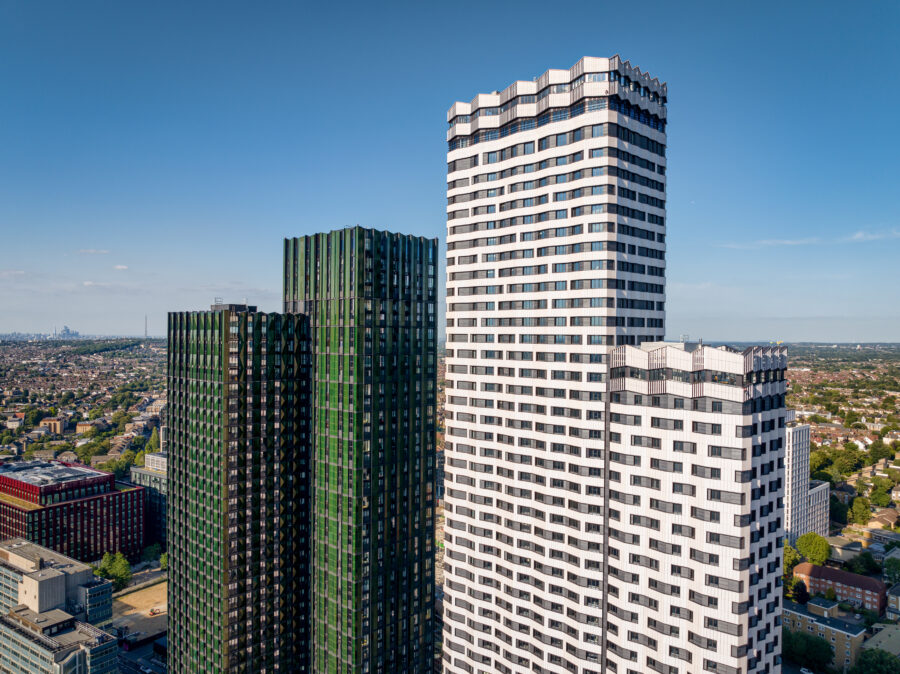
UK example: College Road in Croydon
One of the clearest European examples is College Road in Croydon, South London.
The project includes two towers: a 50-storey tower with 817 co-living homes and a 35-storey tower with 120 affordable homes. It was developed and built by Tide Construction, with modules produced by Vision Volumetric.
The 50-storey tower reaches 163 metres and is described by Vision Volumetric as the world’s tallest volumetric building. The project used 1,725 volumetric units and was completed in 2023.
This example is important because it shows that modular construction can be used at a serious urban scale. It is not a small experimental cabin. It is a large residential development in London, built on a constrained city site.
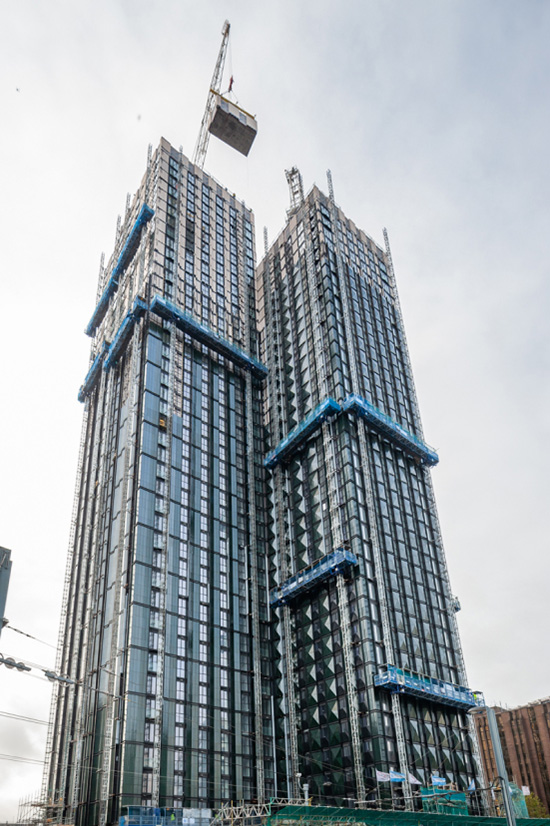
UK example: Ten Degrees / 101 George Street
Another important example is Ten Degrees, also known as 101 George Street, in Croydon.
This project has two towers of 44 and 38 storeys. It provides 546 apartments and was developed by Tide Construction, with offsite manufacturing by Vision Modular Systems.
Before College Road, Ten Degrees was widely described as one of the tallest modular residential buildings in the world. It helped prove that modular construction could move far beyond low-rise housing and into major residential towers.
For normal buyers, the lesson is not that a family should buy a modular skyscraper. The lesson is that the same basic idea behind a prefab home — building more of the structure in a controlled factory setting — can also work in very complex projects.
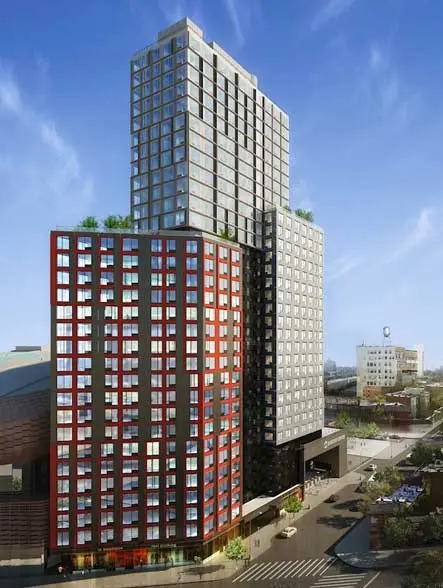
New York example: 461 Dean Street
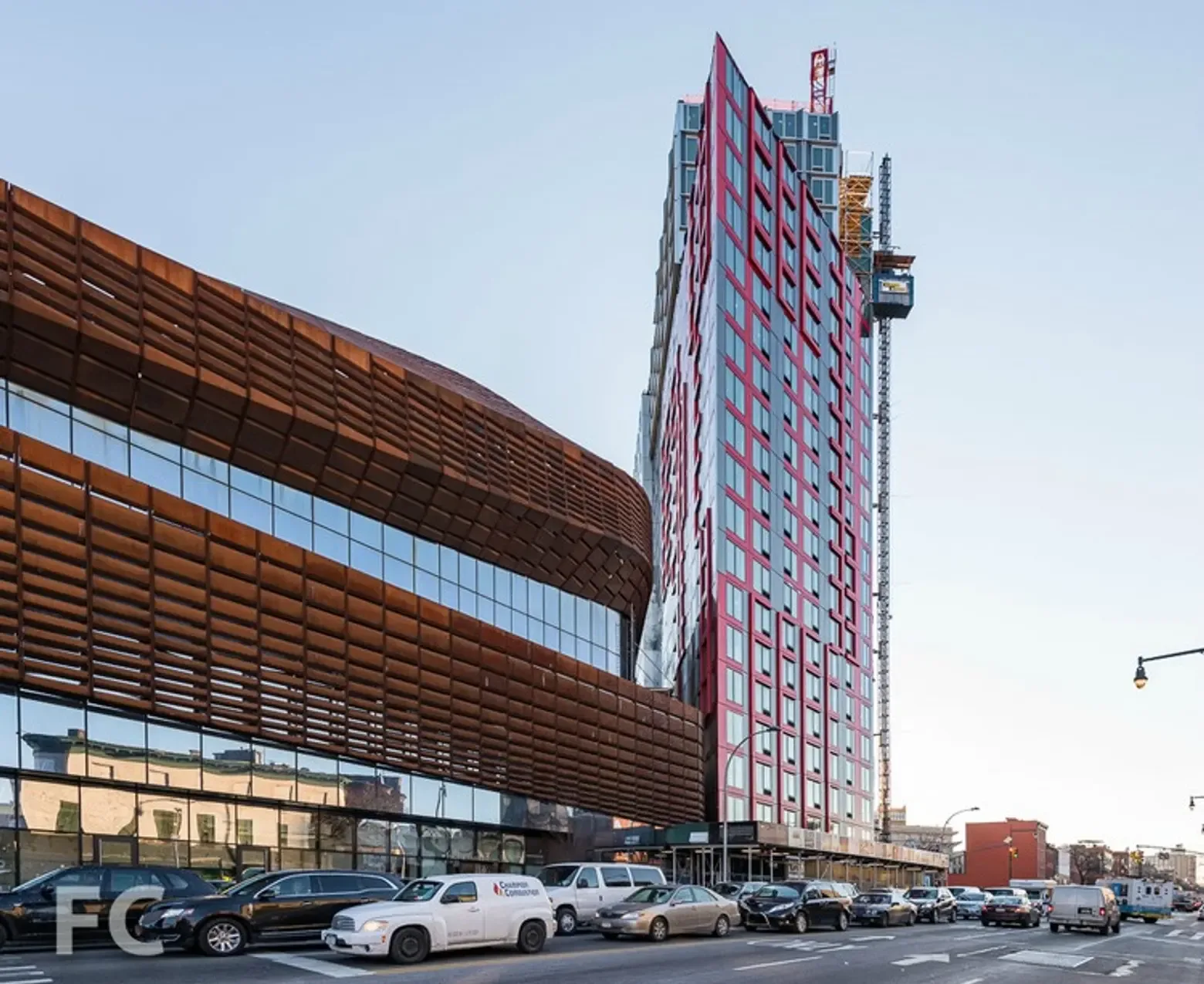
New York also has a famous modular high-rise example: 461 Dean Street in Brooklyn, also known as B2.
The building was designed by SHoP Architects and completed in 2016. It is a 32-storey residential building and was described as the tallest modular residential building in the world at the time of completion.
The project included hundreds of apartments made from factory-built modules. These modules were produced off site and then transported to the building location.
However, 461 Dean is also a useful warning. The project faced delays and cost problems. This shows that modular construction is not automatically easier. It must be planned correctly from the beginning, especially when the building is tall, urban and technically complex.

Concrete modular towers in Singapore
Singapore has some of the most advanced examples of tall concrete modular construction.
One example is The Clement Canopy. It consists of two 40-storey residential towers and was built using concrete Prefabricated Prefinished Volumetric Construction, often called PPVC. PPVC means that room-sized building modules are made and finished in a factory before being transported and installed on site.
Another major example is Avenue South Residence in Singapore. It has two 56-storey towers and uses concrete PPVC modules. Singapore’s Building and Construction Authority described it as a world-record residential tower built using PPVC.
These projects are useful because they show that modular construction is not only about timber cabins or small steel units. In some countries, concrete modules are also used for large high-rise housing.
What this means for prefab home buyers
For a normal buyer looking for a prefab home, modular skyscrapers may feel far away from a private house project. But they are still relevant.
They show that prefabrication is becoming more accepted in serious construction. Factory-made building parts can be used in small homes, hotels, apartments, student housing and even high-rise towers.
Still, a buyer should not assume that every prefab manufacturer can build everything. A company that makes modular homes may not build apartment towers. A company that builds concrete modules may not make small wooden houses. A company that builds standard cabins may not offer custom residential projects.
The right manufacturer depends on the building type, material, country, design, transport route and local rules.
PrefabFind helps buyers compare prefab manufacturers by building type and project category, so they can find suppliers that match their actual needs.
Conclusion
Skyscrapers can be built using modules, but only with the right engineering, planning and construction system.
Projects such as College Road and Ten Degrees in the UK, 461 Dean Street in New York and PPVC towers in Singapore show that modular construction can work at a much larger scale than many people expect.
For buyers, the main takeaway is simple: prefabrication is not only a niche for small houses. It is a wider construction method used across many building types. But the supplier, technology and project scope must match the building you want to create.