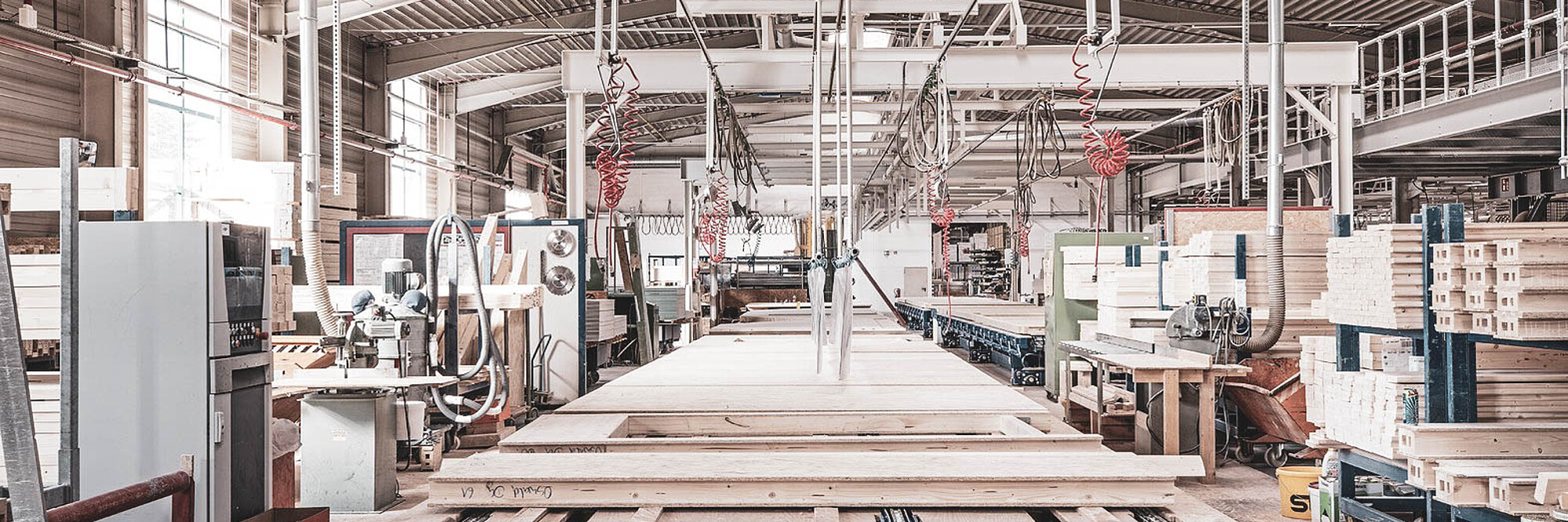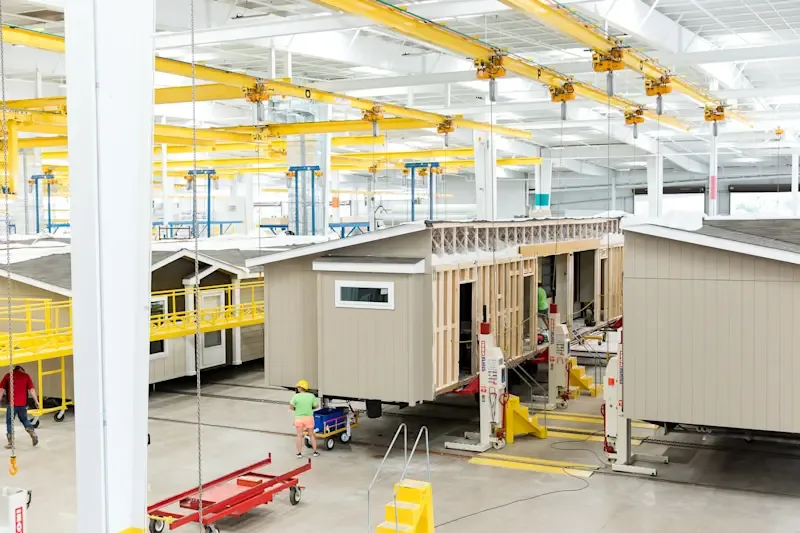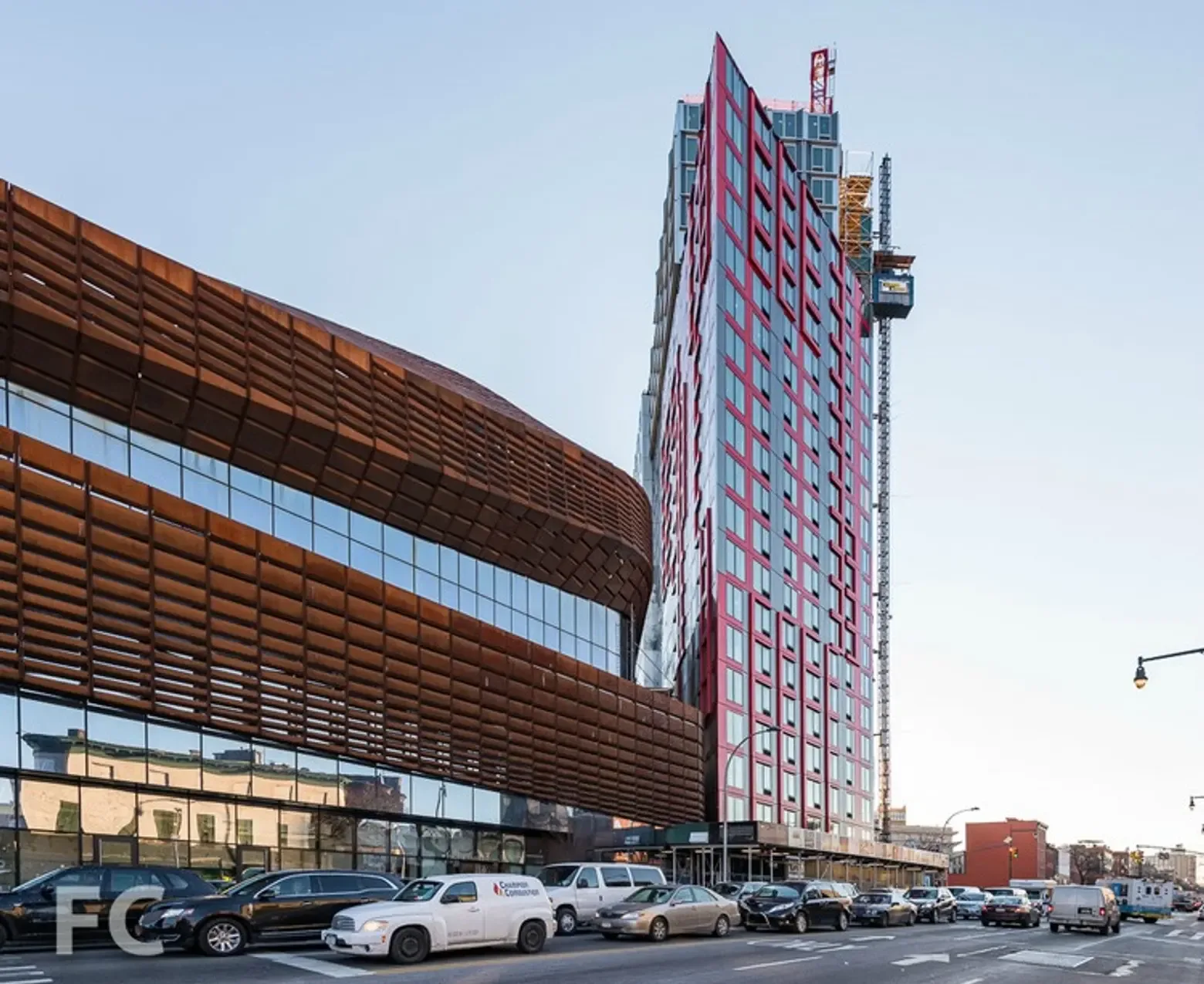
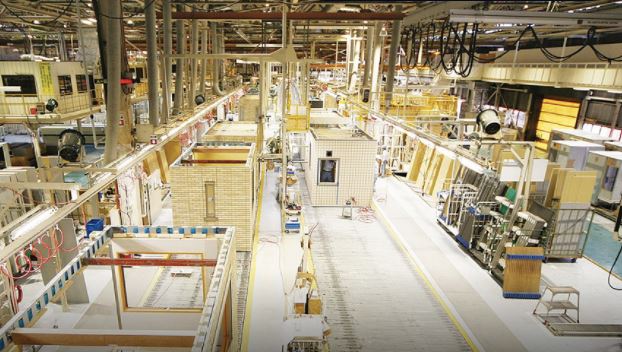
Prefab homes are no longer a small niche. Around the world, large companies now produce factory-built houses, apartment modules, hotel rooms, student housing, timber-frame homes and modular buildings at serious scale.
A prefab home is a home made partly or fully in a factory before it is transported to the site. This can include modular homes, panelized homes, manufactured homes, timber-frame houses and other factory-made building systems.
But there is one important point: there is no single simple ranking of the “biggest” prefab manufacturers worldwide. Some companies count completed homes. Others count modules. Some build private houses. Others build apartment blocks, hotels or student housing. Because of that, the best way to understand the market is to look at several major manufacturers in different regions.
Why “biggest” is not easy to define
The prefab industry is broad.
One company may produce thousands of small factory-built homes every year. Another may produce fewer units, but for large apartment buildings. Another may manufacture hotel modules or student housing units rather than private houses.
There is also a difference between modular and panelized construction.
A modular home is built from large three-dimensional sections called modules. These are made in a factory, transported to the site and installed there.
A panelized home is made from factory-built wall, floor or roof panels. These panels are transported to the site and assembled there.
A manufactured home is a factory-built home category commonly used in the United States. It is not always the same as a modular home, and the rules can be different.
For a normal buyer, the main lesson is simple: size matters, but fit matters more. The biggest manufacturer is not always the right manufacturer for your land, budget, country or design.
Japan: Sekisui House and industrialized housing scale
Japan is one of the most important countries in industrialized housing.
Sekisui House is one of the clearest examples of scale. The company reports that it has built more than 2.7 million dwellings, including overseas. It is not only a small prefab company. It is a major housing group with decades of experience in industrialized homebuilding.
For buyers, Sekisui House shows how far factory-based housing can go when a market accepts standardized processes, strong engineering and long-term after-sales systems.
Japan also has other major industrialized housing companies, including Daiwa House. These companies are not always simple “order online” prefab home suppliers for international buyers. They are large construction and housing groups with different business lines.
The main point is that Japan proves prefab can be a serious mainstream housing method, not only a small alternative construction idea.
United States: Clayton, Champion and factory-built homes
The United States has several large factory-built housing companies.
Clayton is one of the most visible names. Clayton Manufacturing operates 40 modern manufactured home building facilities across the United States and has a large national team. The company builds factory-made homes at scale for the American market.
Champion Homes is another major name. The company says its family of builders has sold more than 3 million factory-built manufactured, modular and mobile homes. It also operates through multiple brands and serves a wide homebuyer market.
Cavco is also one of the large US producers of manufactured and modular homes. It designs and produces factory-built homes distributed through retailers, communities and developers.
For buyers, the US market is important because it shows how factory-built housing can serve large numbers of people. But buyers should be careful with terminology. In the US, modular homes and manufactured homes can be treated differently. Rules may vary by state, county and local authority.
China: CIMC MBS and large modular building systems
China has some of the world’s largest modular building capacity.
CIMC Modular Building Systems, often called CIMC MBS, is one of the major global names in volumetric modular construction. The company’s system is fabricated, fitted out and shipped from Southern China to international markets. Public information from BOPAS states that CIMC MBS has a factory of more than 1,000,000 m² and annual capacity of more than 8,000 modules.
CIMC MBS is especially known for hotels, student accommodation, residential projects and other large building types. This is different from a small private prefab home manufacturer, but it is highly relevant for understanding global modular scale.
China also has companies connected to high-rise and large-format prefabrication. Some projects use industrialized systems for tall buildings, hotels or residential blocks. For a normal homebuyer, this does not mean every Chinese modular supplier is suitable. It simply shows that China has large manufacturing capacity in this sector.
Europe: Germany, Poland, Estonia and Sweden
Europe has many strong prefab manufacturers, especially in timber-frame, panelized and modular systems.
In Germany, DFH Gruppe describes itself as the largest prefabricated house company in Germany. Its brands include massa haus, allkauf and OKAL. The group says it has completed more than 50,000 building projects.
In Poland, Danwood is one of the major names in turnkey timber-frame prefab houses. The company says it produces more than 2,000 houses per year in two factories and is the biggest manufacturer of timber-frame turnkey energy-efficient houses in Poland.
In Estonia, Kodumaja is a strong example of export-oriented modular construction. The company says it has built more than 11,000 units and has technical capacity of about 1,000 units per year. It produces timber-frame buildings, usually from 1 to 7 floors, using 3D modules and 2D elements.
In Sweden, Lindbäcks is an important modular housing manufacturer. Public information about its production line says it produces around 3,500 modules per year and can produce about 2,600 apartments per year. It focuses mainly on multi-dwelling buildings such as apartments, student housing, senior housing and hotels.
These examples show that Europe is not one single prefab market. Germany is strong in individual prefab houses. Poland is strong in turnkey timber-frame homes. Estonia and Sweden are strong in modular apartment and export-oriented building systems.
What buyers should learn from big manufacturers
Large manufacturers can offer several advantages.
They may have more experience, better production systems, clearer quality control, more completed projects and stronger internal processes. They may also be better prepared for larger orders or international delivery.
But size alone is not enough.
A large manufacturer may not serve your country. It may not build the type of home you want. It may focus on apartments, hotels or manufactured homes instead of private residential projects. It may sell only through local partners or distributors.
Before choosing prefab manufacturers, buyers should ask practical questions:
What type of prefab home do you build?
Do you build modular, panelized, timber-frame or another system?
Can you deliver to my country?
Can you work with my local architect or engineer?
What is included in the price?
Can you show completed projects similar to mine?
The right manufacturer is the one that matches your project, not simply the largest company on a list.
How PrefabFind helps buyers compare manufacturers
PrefabFind helps buyers compare prefab manufacturers in one place. This is useful because the prefab market is fragmented. Some companies focus on modular homes, others on panelized houses, tiny homes, cabins, saunas, apartment modules or commercial buildings.
Instead of searching randomly, buyers can use PrefabFind to discover manufacturers by category, country and building type. This makes it easier to prepare good questions before contacting suppliers.
For a buyer, the goal is not only to find a famous manufacturer. The goal is to find a reliable manufacturer that can deliver the right prefab home for the right land, country and budget.
Conclusion
The biggest prefab home manufacturers worldwide are not all the same type of company.
Sekisui House shows the scale of industrialized housing in Japan. Clayton, Champion and Cavco show the size of factory-built housing in the United States. CIMC MBS shows large-scale modular capacity from China. DFH, Danwood, Kodumaja and Lindbäcks show the strength of European prefab and modular construction.
For buyers, the practical lesson is clear: big manufacturers prove that prefab construction is already a serious global industry. But when buying a prefab home, the best manufacturer is not always the biggest one. It is the one that fits your design, land, building rules, delivery needs and budget.