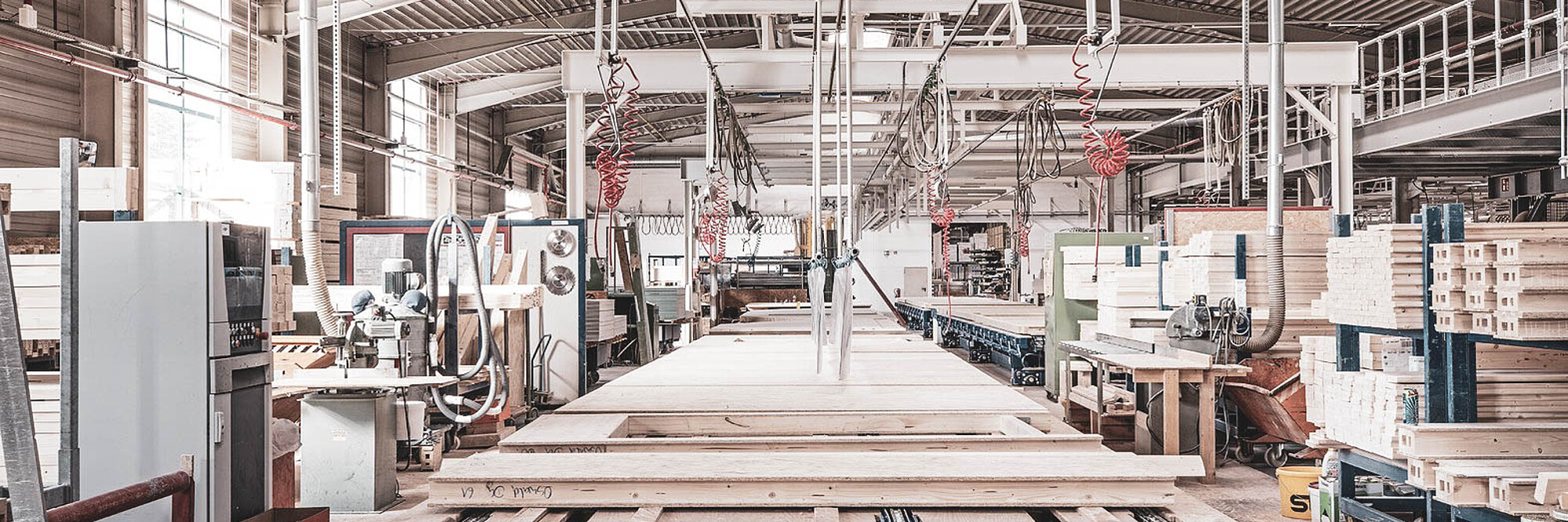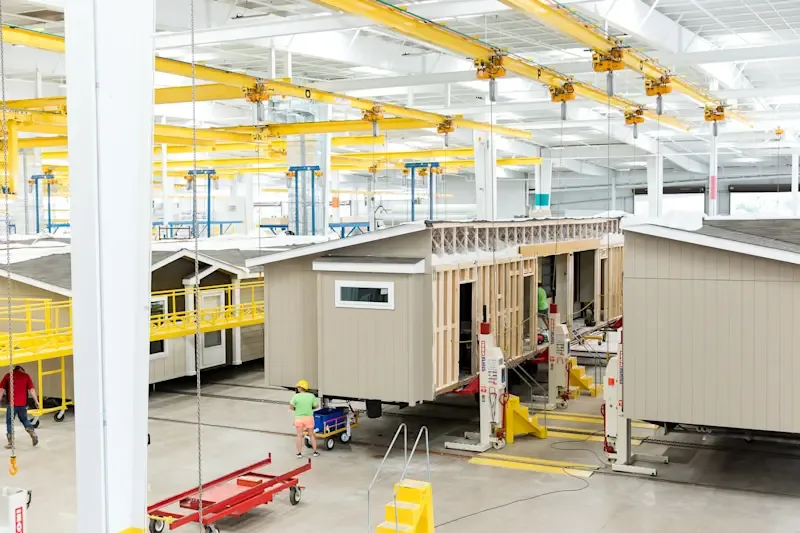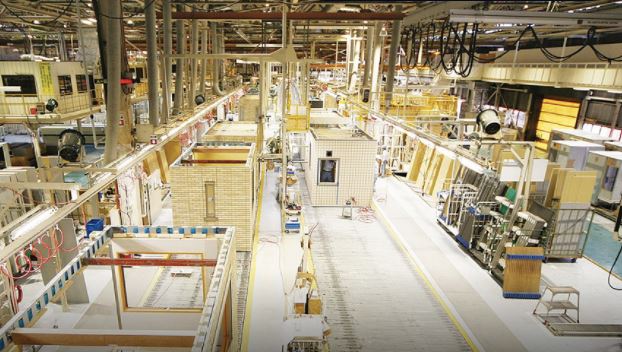
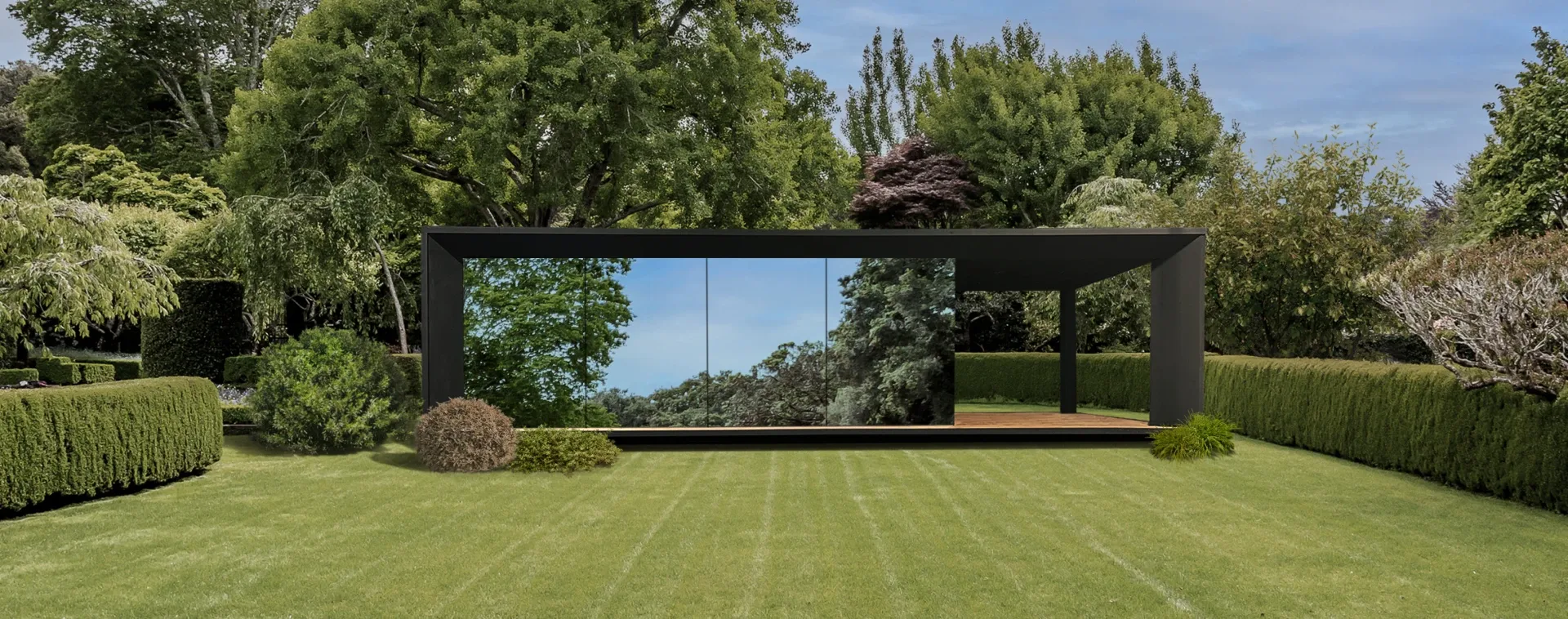
A modular home is a house whose main parts are manufactured in a factory as modules and later transported to the plot and connected on site. A module can be an already formed part of the house, made from panels that are joined in the factory into a three-dimensional unit.
Is it worth choosing a modular home? The answer depends on the buyer’s needs, plot, budget, desired level of finishing, and the clarity of the manufacturer’s offer. This solution can be very logical if you want a clearer process and fewer works carried out directly on the construction site.
A Faster and Clearer Process
One of the main advantages of a modular home is that a large part of the work is done in a factory. This means that not every stage of construction has to be organized from scratch on the plot in the same way as with traditional construction.
For the buyer, this can provide more clarity. House production, transportation, and installation are often planned in advance. Of course, this does not mean that the whole process becomes automatic. The plot, foundations, utilities, and other preparation works still need to be handled.
Production in a Controlled Environment
The parts of a modular home are manufactured in a factory, not only outdoors on a construction site. This can help better control the production process, material storage, and workflow.
For a regular buyer, this matters for one main reason: fewer things happen in unpredictable conditions on the plot. When a large part of the work is done in one place, it is easier for the manufacturer to follow its process and quality standards.
However, the buyer should evaluate the specific manufacturer, not only the construction method itself. It is important to ask what materials are used, what scope of delivery is offered, and which works are included.
Less Daily Construction Coordination
In traditional construction, the buyer often has to coordinate many different people: craftsmen, suppliers, contractors, and separate stages of work. In the case of a modular home, part of this responsibility may be concentrated with one manufacturer.
This does not mean that the buyer does not need to check anything. However, if the manufacturer offers a broader service, the process can be simpler for the buyer: fewer separate contacts, less daily coordination, and clearer responsibility for the production of the house.
Here, it is important to find out whether the manufacturer only produces the module, or also takes care of transportation, installation, and other works.
When Can a Modular Home Be a Good Choice?
A modular home can be a good choice if you want a faster process, a clearer scope of delivery, and fewer works directly on the construction site. It can also suit people who prefer to choose from ready-made models or clearly defined solutions.
This type of house is especially attractive when the buyer wants to understand what they are receiving for the offered price. However, this requires the manufacturer to clearly state what is included: structure, finishing, windows, transportation, installation, heating solutions, or other works.
On the PrefabFind platform, it is useful for buyers to compare manufacturers not only by photos, but also by scope of delivery, delivery options, materials, and additional services.
When Should You Be Careful?
A modular home is not suitable for every situation. If the plot is complicated, access is limited, or the buyer wants a highly individual project, more coordination may be needed.
It should also not be assumed that a modular home automatically means a lower final price. The price depends on size, level of finishing, transportation, installation, foundations, utilities, and works that are not included in the initial offer.
That is why it is best to compare not only the price, but the full content of the offer.
Conclusion
A modular home is worth choosing when you want a clearer, better-planned process that depends less on work carried out directly on the construction site. Since a large part of the work is done in a factory, it can be easier for the buyer to manage the project.
However, the most important factor is not the word “modular” itself, but the specific offer from the manufacturer. Buyers need to understand the scope of delivery, level of finishing, transportation, installation, foundations, and works after delivery. This way, the decision is based not on advertising, but on real needs.