Latvia is not only a local market for prefabricated buildings. It is also an exporter with buyers across Europe. According to the OEC chart for 2024, Latvia exported $84.2M of prefabricated buildings, with major destinations including Sweden, Iceland, the Netherlands, Norway, Germany and the United Kingdom.
For buyers, this matters because it shows that Latvian prefab manufacturers are not limited to domestic projects. Many are already working in cross-border trade, especially in Northern and Western European markets.
What “prefabricated buildings” means
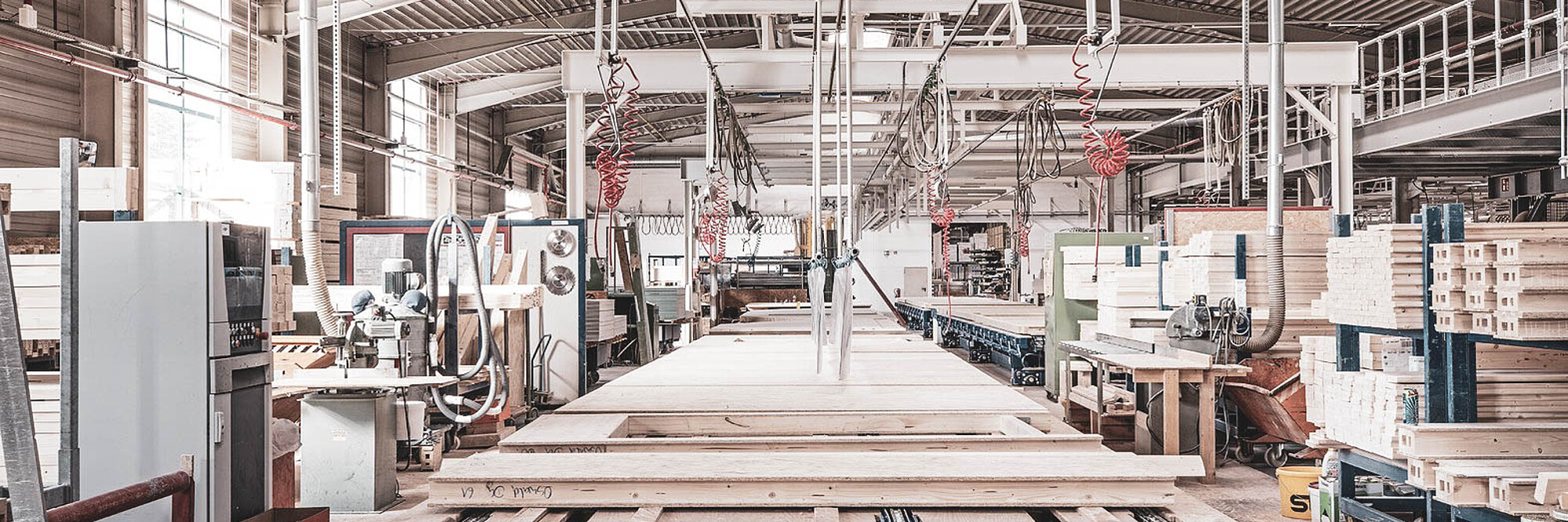
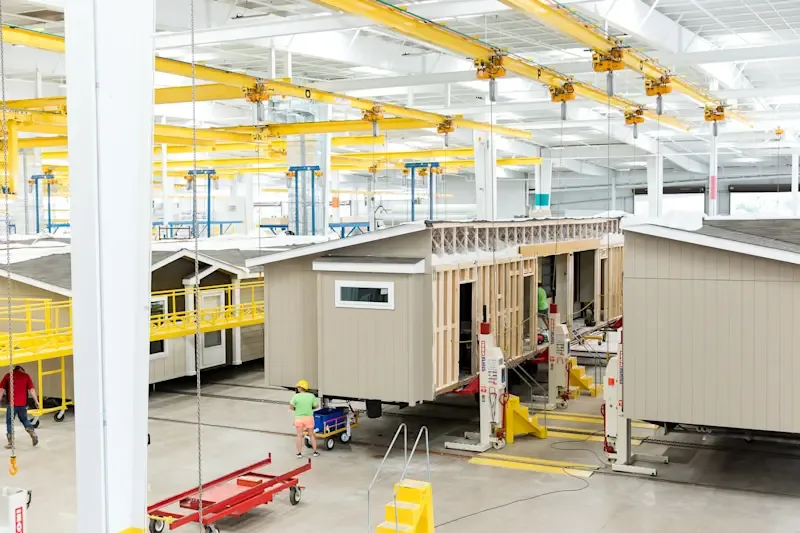
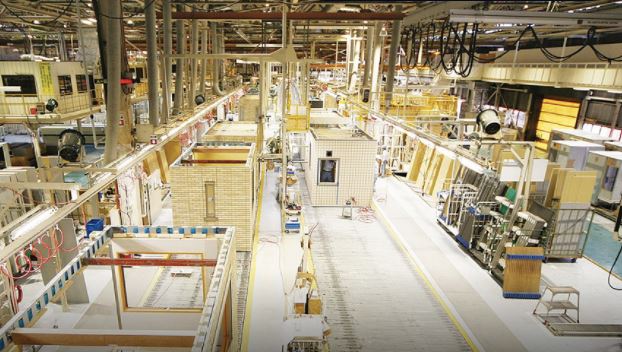
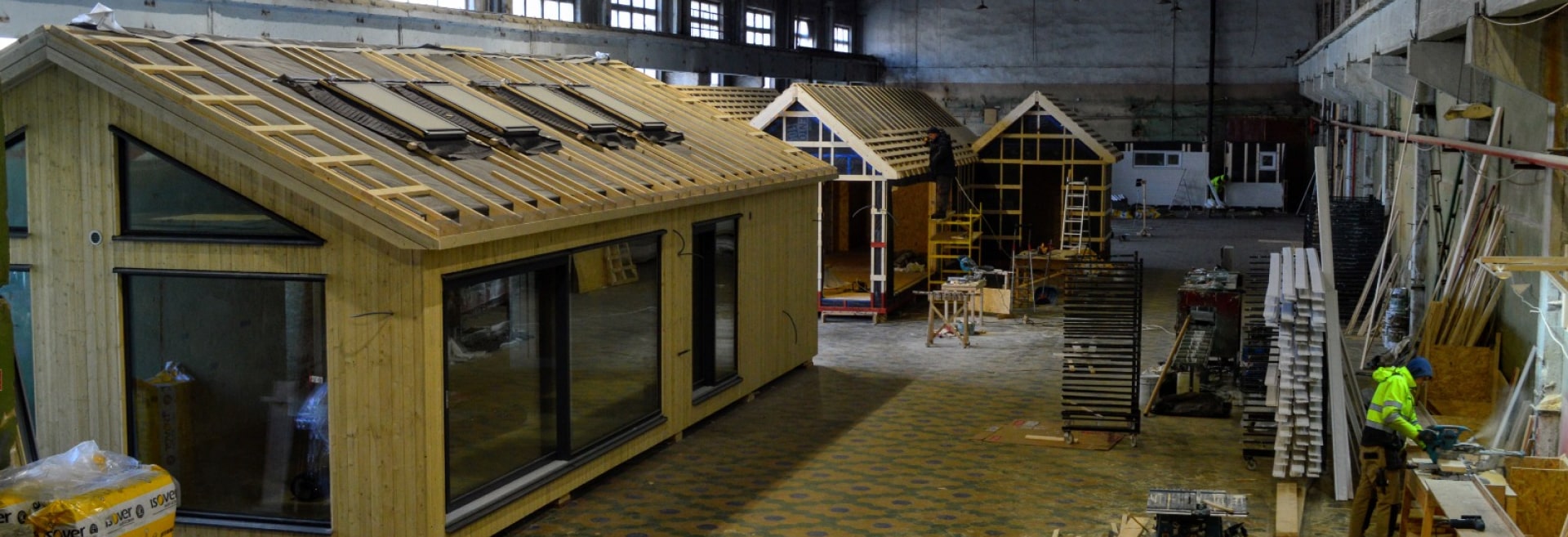
A prefabricated building is a building made partly or fully in a factory before it is transported to the final site. This can include modular buildings, panelized houses, cabins, small commercial buildings and other factory-made structures.
The trade category is broad. It does not mean every exported building is a fully finished residential house. Some exported units may be complete modules. Others may be panels, cabins or other prefabricated structures.
This distinction is important for buyers. Export data can show market activity, but it does not tell you exactly what each manufacturer offers. A buyer still needs to check the building type, delivery scope and technical specification.
Latvia has a visible export network
The OEC 2024 chart shows Latvia with $84.2M in prefabricated building exports. For a relatively small country, this is a meaningful export figure in a specialized construction category.
The same chart shows that Latvia sells prefabricated buildings to a wide range of destinations. The largest visible European buyers include Sweden, Iceland, the Netherlands, Norway, Germany, the United Kingdom and Denmark.
This suggests that Latvia is connected to several European prefab markets, not only to neighbouring Baltic countries. For buyers, that can be a useful signal when comparing prefab manufacturers from different countries.
Sweden, Iceland and the Netherlands are key destinations
The largest shown destination for Latvian prefabricated buildings in 2024 is Sweden, with $15.9M in imports from Latvia. The next major destinations shown are Iceland with $13.4M and the Netherlands with $13.1M.
Norway follows with $10.5M, while Germany and the United Kingdom are also visible buyers, with $6.79M and $6.74M respectively. Denmark is shown at $4.39M.
For a normal buyer, the main takeaway is simple: Latvian suppliers are already present in several markets where climate, logistics and buyer expectations can be demanding. This does not prove that every factory is suitable for every project, but it shows that Latvian prefab exports are not isolated or purely local.
What buyers should still check
Export activity is not the same as quality proof. A manufacturer may export buildings, but every buyer still needs to check the details before making a decision.
The first question should be: what is included in the price? Buyers should ask whether the foundation, transport, crane work, installation, interior finish, heating, utilities and documentation are included or excluded.
The second question should be about previous projects. Has the manufacturer delivered to your country before? Has it worked with similar building types? Can it show real completed projects, not only visualisations?
The third question is about responsibility. If the building is delivered from Latvia to another country, who handles transport, installation and possible issues on site? This must be clear before signing.
Why Latvian prefab manufacturers can be interesting
Latvian prefab manufacturers can be interesting for European buyers because Latvia has an export-oriented position in this category. The OEC chart shows that Latvia supplies several different markets, especially in Northern and Western Europe.
This does not mean Latvian suppliers are always the cheapest option. It also does not mean they are always the best fit. The right choice depends on the building type, technical standard, delivery package, warranty terms and total project cost.
Still, Latvia should be part of the comparison when buyers are looking at European prefab manufacturers. It may be especially relevant for buyers comparing suppliers from the Baltic region, Scandinavia, Poland and Germany.
How PrefabFind helps buyers compare suppliers
PrefabFind helps buyers compare prefab manufacturers in one place. Instead of searching for each factory separately, buyers can review company profiles, building types, house models and project examples.
This is useful when comparing suppliers from different countries. A buyer can look at Latvian manufacturers next to other European suppliers and prepare better questions before making contact.
For prefab manufacturers, export data also shows that demand is not limited to one market. Buyers across Europe are already purchasing prefabricated buildings internationally.
Conclusion
Latvia has a real place in the European prefabricated building export market. In 2024, the OEC chart shows $84.2M of Latvian prefabricated building exports, with Sweden, Iceland, the Netherlands, Norway, Germany and the United Kingdom among the visible main destinations.
For buyers, the lesson is practical: Latvian prefab manufacturers are worth comparing, especially if you are looking for European suppliers. But export activity should be treated as a starting signal, not a replacement for proper checks.