If you already have land and want to place a prefab home on it, the process can feel simple at first: find a nice house, choose a manufacturer and order it.
In reality, a prefab home is still a building project. Before you buy, you need to understand what can be built on your land, what type of house fits your needs, which prefab manufacturers are reliable, what is included in the price and how the payment will be handled.
This guide explains the basic process in clear steps for normal buyers, not architects or construction professionals.
1. First, check what you can build on your land
Before choosing a house, check what is allowed on your land.
This is the most important first step. A beautiful prefab home is not useful if it cannot legally be built on your plot.
You should check the land use, local planning rules, building size limits, height limits, distance from plot boundaries, access roads, utility connections and whether a building permit is needed.
Rules can vary by country, municipality and even by the exact location of the land. In some places, smaller buildings may have a simpler approval process. In other places, even a small house may require formal permission.
Do not assume that a “tiny house”, “mobile home” or “modular home” can be placed anywhere without approval. These terms describe the type of building, not automatically the legal permission to use it.
The safest first step is to speak with the local municipality, a local architect or another local specialist who understands building rules in that area.
2. Decide what type of prefab home you need
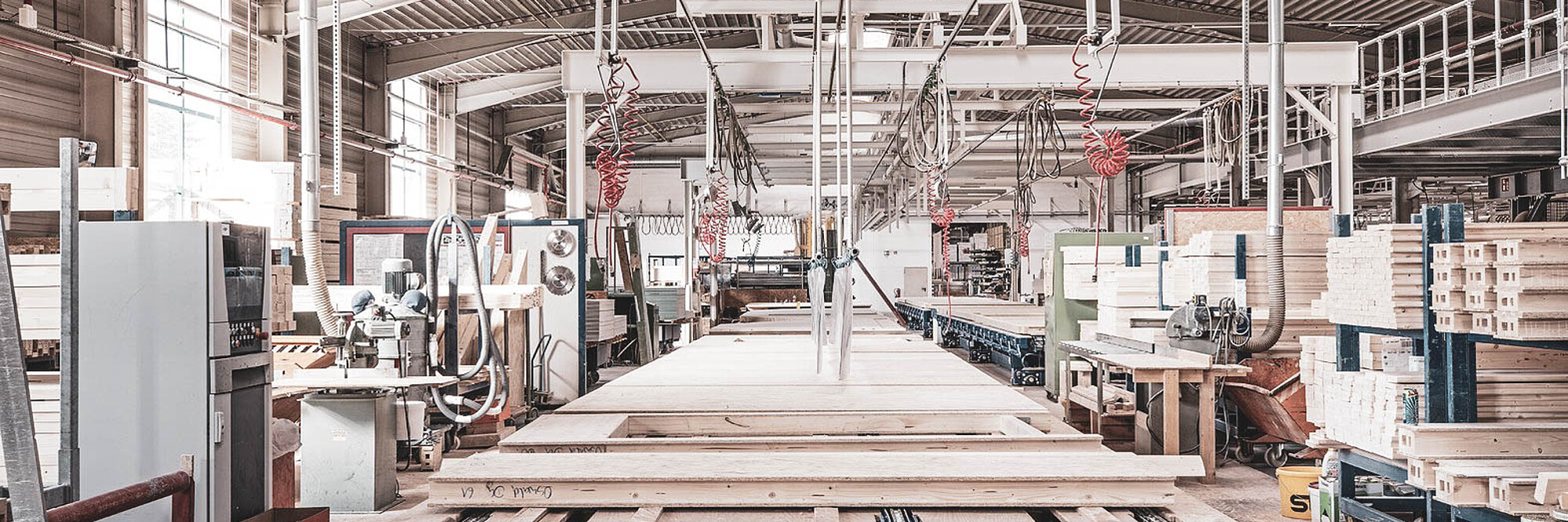
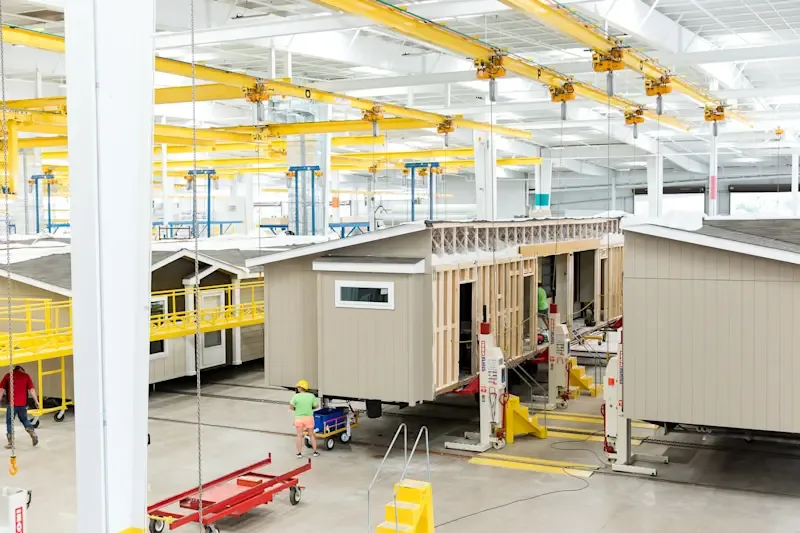
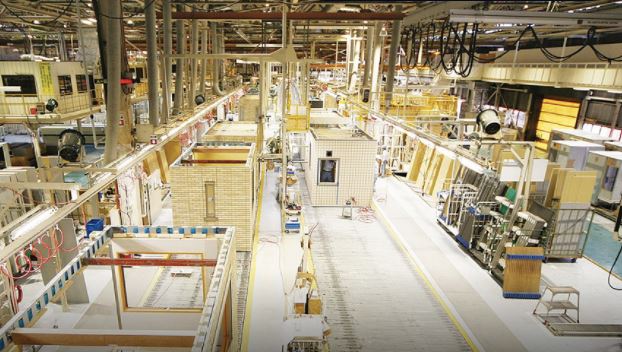
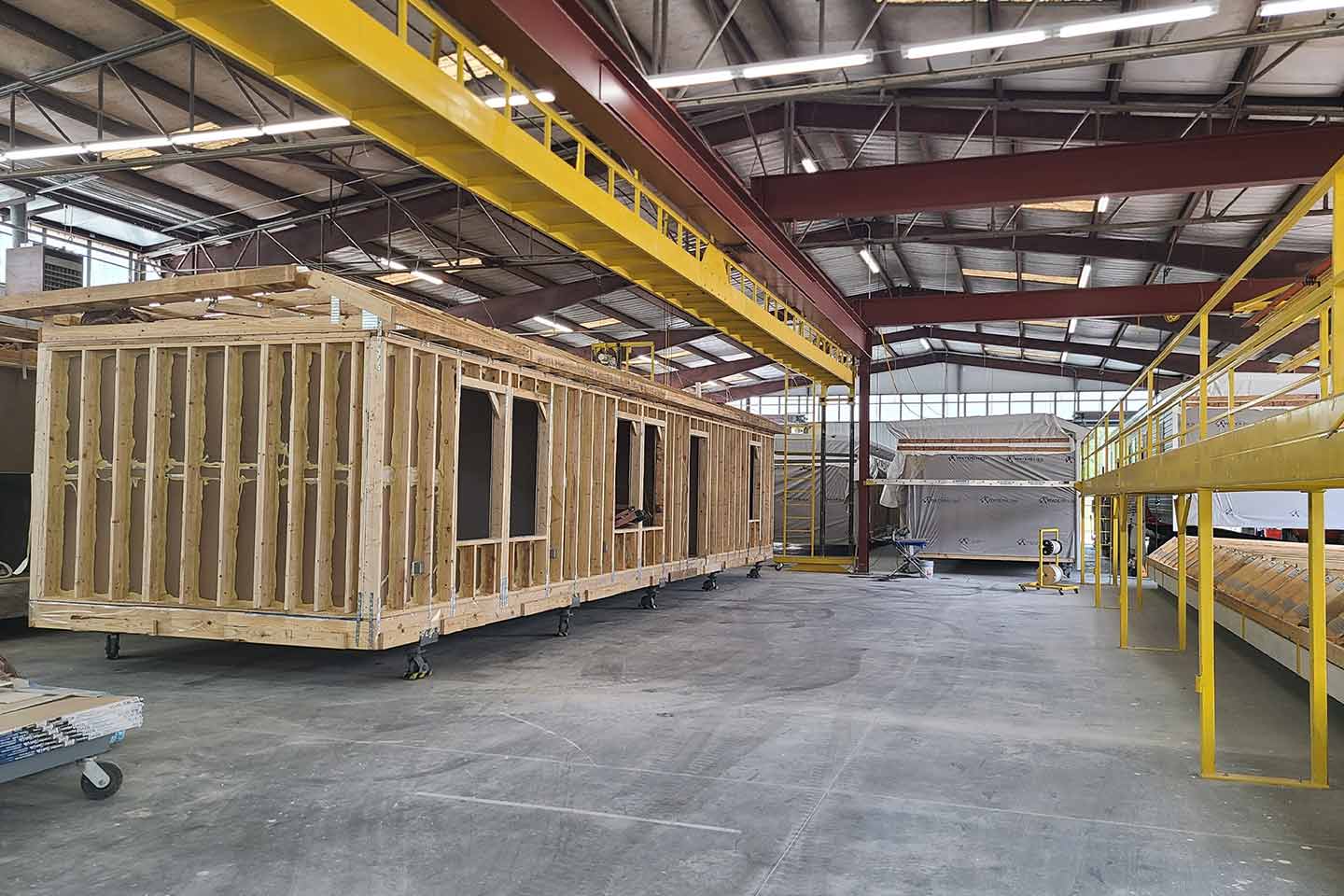
A prefab home is a broad term. It usually means that large parts of the building are made in a factory before being transported to the site.
There are several common types.
A modular home is built from large three-dimensional sections called modules. These modules are made in a factory, transported to the land and installed on site.
A panelized home is made from wall, floor or roof panels. These panels are produced in a factory and assembled on the plot.
A tiny home is usually a small compact house. Some tiny homes are built on wheels, while others are placed on foundations. The legal treatment can vary by location.
A kit or flat-pack home is delivered as a package of prepared building parts and assembled on site.
The right choice depends on your budget, timeline, design expectations, land conditions and how much construction work you want to manage yourself.
If you want a faster and more predictable process, a more complete modular solution may be attractive. If you want more flexibility in design, a panelized or custom prefab solution may be better. If your priority is a small weekend home, a tiny home or cabin may be enough.
3. Decide whether you want a standard model or custom design
There are two common ways to start.
The first option is to choose an existing model from a manufacturer. This can be easier because the company already understands the design, layout and production process. You can ask what changes are possible, but not every standard model can be fully customized.
The second option is to work with an architect first. This can make sense if you have a very specific vision, difficult land conditions or a larger residential project. The architect can help you prepare drawings and define the house before you ask manufacturers for prices.
With clear drawings, prefab manufacturers can give more accurate offers. Without clear drawings, you may only receive rough estimates or general answers.
If your project is simple, you can start by contacting manufacturers directly. If your project is custom, complex or highly design-driven, involving an architect earlier may save time later.
4. Compare several prefab manufacturers
Once you understand your land and preferred building type, start comparing prefab manufacturers.
You can search through company websites, local directories, social media, completed project examples and platforms like PrefabFind. The goal is not only to find a beautiful house. The goal is to find a manufacturer that can deliver the right building, in the right country, with a clear scope.
Ask each manufacturer for the same information, so you can compare properly.
Ask what is included in the price. Does it include production only, or also transport, crane work, installation, windows, doors, insulation, interior finish, heating, plumbing, electricity and documentation?
Ask what is excluded. Foundations, permits, utility connections, groundworks and landscaping are often separate, but this depends on the project and country.
Ask whether the manufacturer has delivered similar projects before. Real completed projects are more useful than only visualisations.
Ask whether they can deliver to your country or region. Transport and installation can change the final cost and timeline.
5. Check reliability before you sign
After you receive offers, do not choose only by the lowest price.
A prefab home is a serious purchase. A cheaper offer may be attractive, but you need to understand why it is cheaper. It may include less finishing, less installation work, different materials or fewer services.
Before signing, check the manufacturer carefully.
Look at completed projects. Ask for references. Speak with previous customers if possible. Check whether the company communicates clearly and answers detailed questions. Review the contract carefully.
For larger purchases, visiting the factory can also be useful. It is not always necessary, but it can help you understand how the company works and whether you trust them. Some buyers may visit the manufacturer before finalizing the deal, especially if the project is expensive or custom.
If visiting is not practical, ask for a video call, factory photos, recent project photos and a detailed written specification.
6. Agree on payment, delivery and responsibility
Before paying, make sure the agreement is clear.
The contract or written offer should explain the house specification, total price, payment stages, delivery timeline, transport responsibility, installation scope and what happens if something changes.
Payment terms can vary. Some manufacturers may ask for staged payments. Others may use different contract structures. If escrow is available, it can add more protection.
Escrow means that money is held by a third party until agreed conditions are met. Whether this is possible depends on the payment provider, country, manufacturer and project agreement.
Do not rely only on verbal promises. For a prefab home, every important detail should be written down before production starts.
Also make sure you know what happens after delivery. Who checks the building? Who handles defects? Who is responsible for installation issues? Who communicates with local contractors if something is not ready on site?
These questions may feel uncomfortable, but they are better asked before signing than after the house arrives.
Conclusion
Buying a prefab home starts long before you choose the design.
First, check what can be built on your land. Then decide which type of prefab home fits your needs: modular, panelized, tiny, kit or another solution. After that, compare several prefab manufacturers, request detailed offers and check what is included in the price.
A standard model can be simpler. A custom project may require an architect first. A factory visit can help build trust, but online communication or a local distributor may also work, depending on the project.
The main rule is simple: do not buy only a house image. Buy a clear project with a clear scope, reliable manufacturer, realistic delivery plan and safe payment structure.
PrefabFind helps buyers discover and compare prefab manufacturers, so they can make better decisions before contacting suppliers directly.