Germany is one of the sizeable European exporters of prefabricated buildings. According to the OEC chart for 2024, Germany exported $394M of prefabricated buildings, with major destinations including Switzerland, the Netherlands, the United Kingdom, Austria and Luxembourg.
For buyers, this matters because German prefab manufacturers are not serving only the domestic market. The export data shows that German suppliers are active across several European markets, especially in neighbouring and nearby countries.
What “prefabricated buildings” means
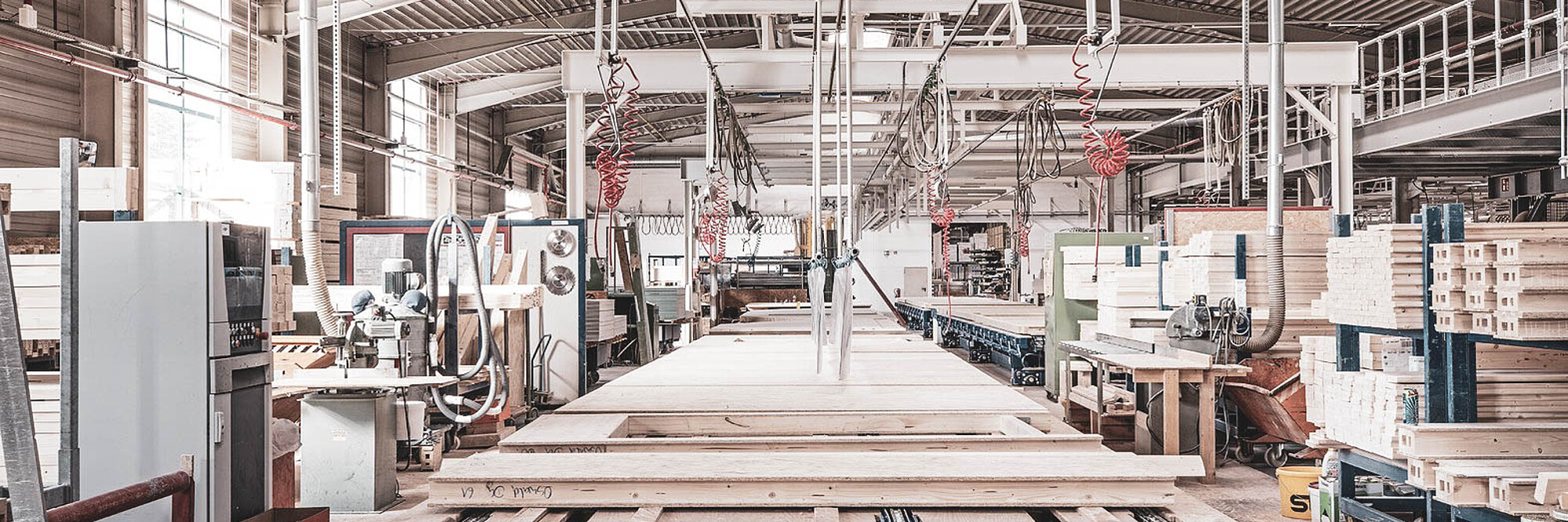
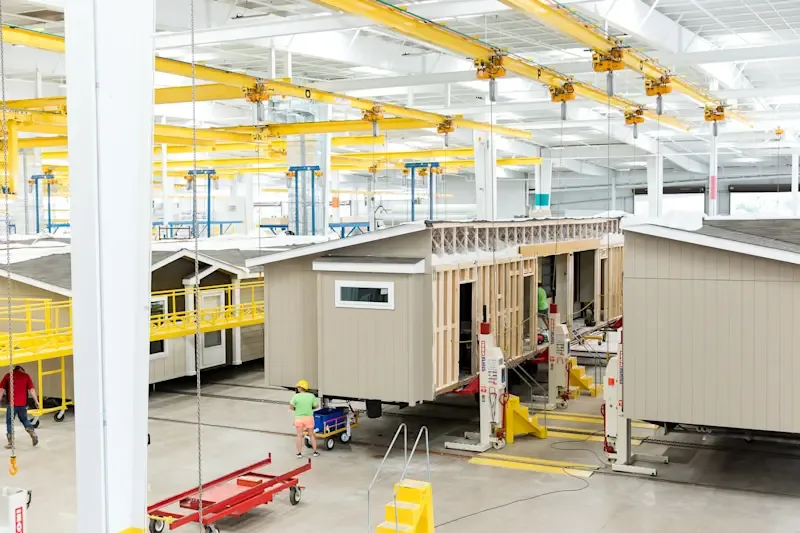
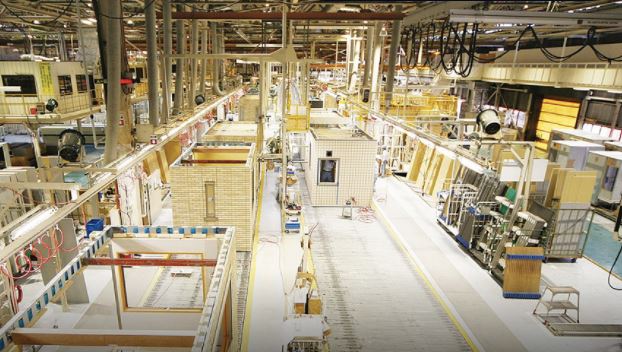
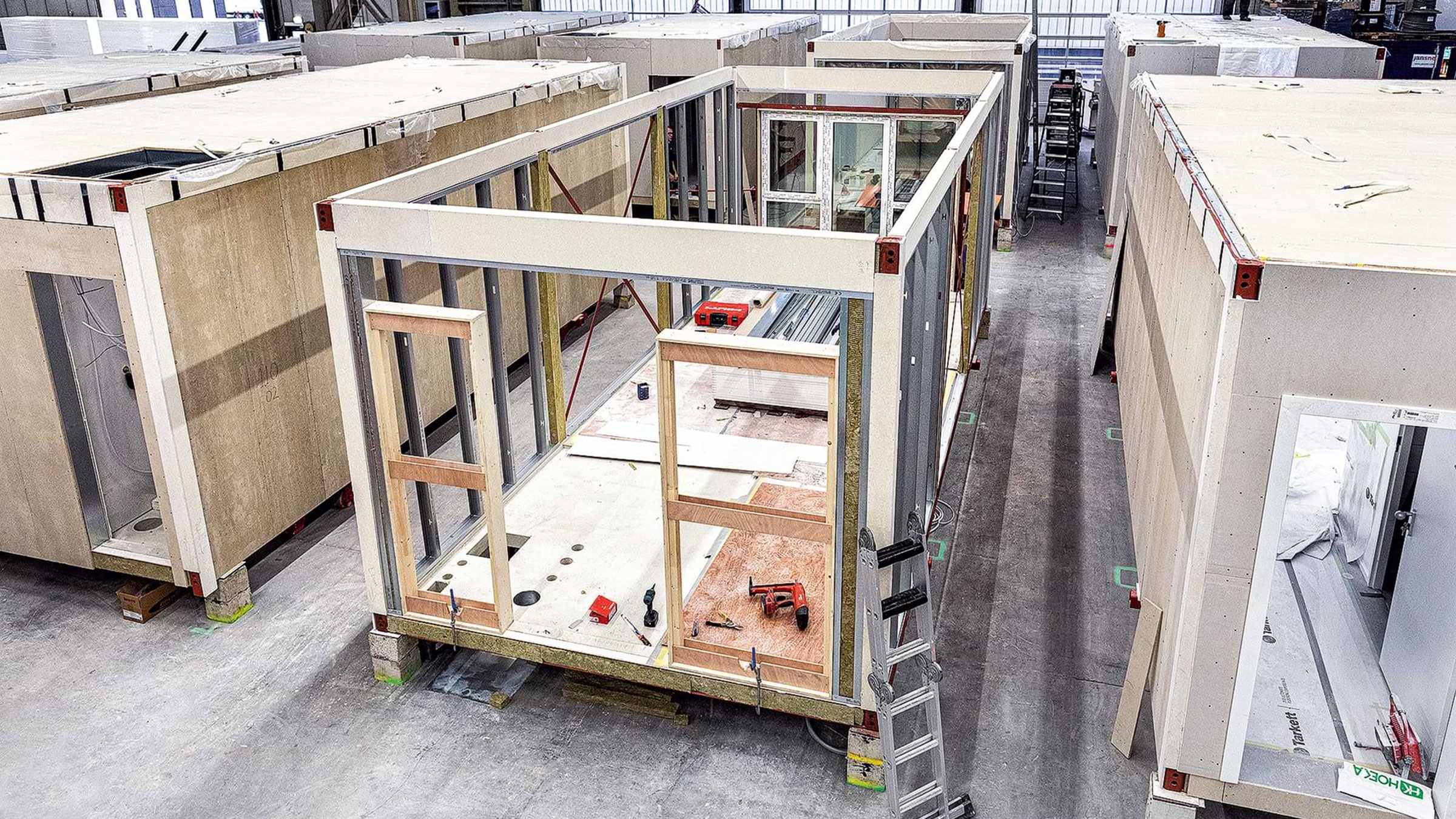
A prefabricated building is a building made partly or fully in a factory before it is transported to the final site. This can include modular buildings, panelized houses, cabins, small commercial buildings and other factory-made structures.
The trade category is broad. It does not mean every exported building is a fully finished residential house. Some exports may be full modules. Others may be building sections, panelized systems, technical buildings or temporary structures.
This is important for buyers. Export data can show that a country has an active prefab sector, but it does not explain what each company produces or what is included in a specific offer.
Germany has a sizeable export position
The OEC chart shows Germany with $394M in prefabricated building exports in 2024. In the same chart, Germany appears among the larger European exporters shown in this product category.
That is a useful signal for buyers comparing European prefab manufacturers. It shows that Germany is not only a major construction market, but also a supplier of factory-made buildings to other countries.
Still, export size should not be treated as a guarantee. A strong national export figure does not prove that every German manufacturer is suitable for every buyer. The actual supplier, building type, delivery scope and total project cost still need to be checked.
Switzerland is the largest shown destination
Switzerland is the largest shown destination for German prefabricated building exports in 2024. The OEC chart shows $82.5M of German prefabricated building exports going to Switzerland.
The Netherlands and the United Kingdom are also major shown destinations, with $43.5M and $41.5M respectively. Austria follows with $35M, while Luxembourg is shown at $29.5M.
For a normal buyer, the main takeaway is simple: German prefab manufacturers are already selling into several European markets. If a buyer is comparing suppliers, previous export experience can be a useful question to ask.
Germany supplies a wide network of markets
The chart also shows other European destinations for German prefabricated buildings. These include France at $19.9M, Poland at $12.4M, Belgium at $10.6M, Norway at $7.15M, Sweden at $5.17M, Czechia at $4.93M, Hungary at $4.35M, Ukraine at $4.07M, Italy at $3.81M and Slovakia at $3.21M.
The OEC chart also shows some non-European destinations, including Jordan, the United States, Saudi Arabia, Singapore and China.
This broad export network matters because buyers often want to know whether a supplier has experience outside its home country. If a manufacturer has already delivered to your country, or to a similar market, it may be easier to discuss transport, documentation, installation scope and after-delivery responsibility.
What buyers should check before choosing
Export activity is not the same as quality proof. A manufacturer may export buildings, but each buyer still needs to check the exact project details.
First, ask what is included in the price. Does the offer include only factory production, or also transport, crane work, installation, interior finishing, heating, utilities and documentation?
Second, ask what type of prefab building the company makes. Some prefab manufacturers focus on modular homes. Others may produce panelized houses, cabins, commercial units, technical buildings or temporary structures.
Third, ask for proof of completed projects. Real photos, technical specifications and clear delivery examples are more useful than only visualisations.
Rules and permit requirements can vary by country and local authority. Buyers should confirm local requirements with relevant specialists before signing a contract.
Why German prefab manufacturers can be interesting
German prefab manufacturers can be interesting for European buyers because Germany has both export volume and a wide sales network in this category. The OEC data shows sales to Switzerland, the Netherlands, the United Kingdom, Austria, Luxembourg and several other markets.
This does not mean German suppliers are always the cheapest option. Buyers should compare the full project cost, not only the factory price. Transport, installation, foundation work, local services and finishing can change the final budget.
Still, Germany should be part of the comparison when buyers are looking for European prefab manufacturers, especially in Central and Western Europe.
How PrefabFind helps with comparison
PrefabFind helps buyers compare prefab manufacturers in one place. Instead of searching for each company separately, buyers can review manufacturer profiles, building types, models and project examples.
This is useful when comparing suppliers from different countries. A buyer can look at German manufacturers next to other European suppliers and prepare better questions before contacting them.
Conclusion
Germany has a strong position in the European prefabricated building export market. In 2024, the OEC chart shows $394M of German prefabricated building exports, with Switzerland, the Netherlands, the United Kingdom, Austria and Luxembourg among the largest shown destinations.
For buyers, the practical lesson is clear: German prefab manufacturers are worth comparing when searching for European suppliers. But export activity should be treated as a market signal, not a replacement for checking the company, delivery scope and total project cost.