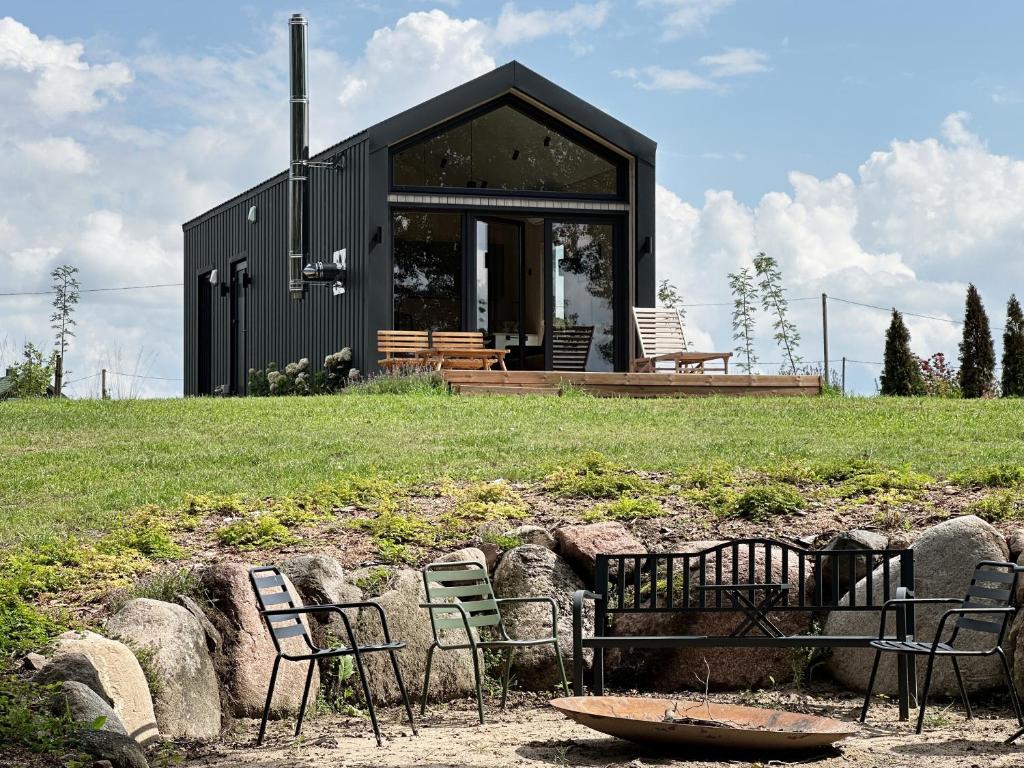
Yes, you can live in a modular home all year round if it is designed for that purpose, properly insulated, has a heating system, and is prepared for use as a residential home.
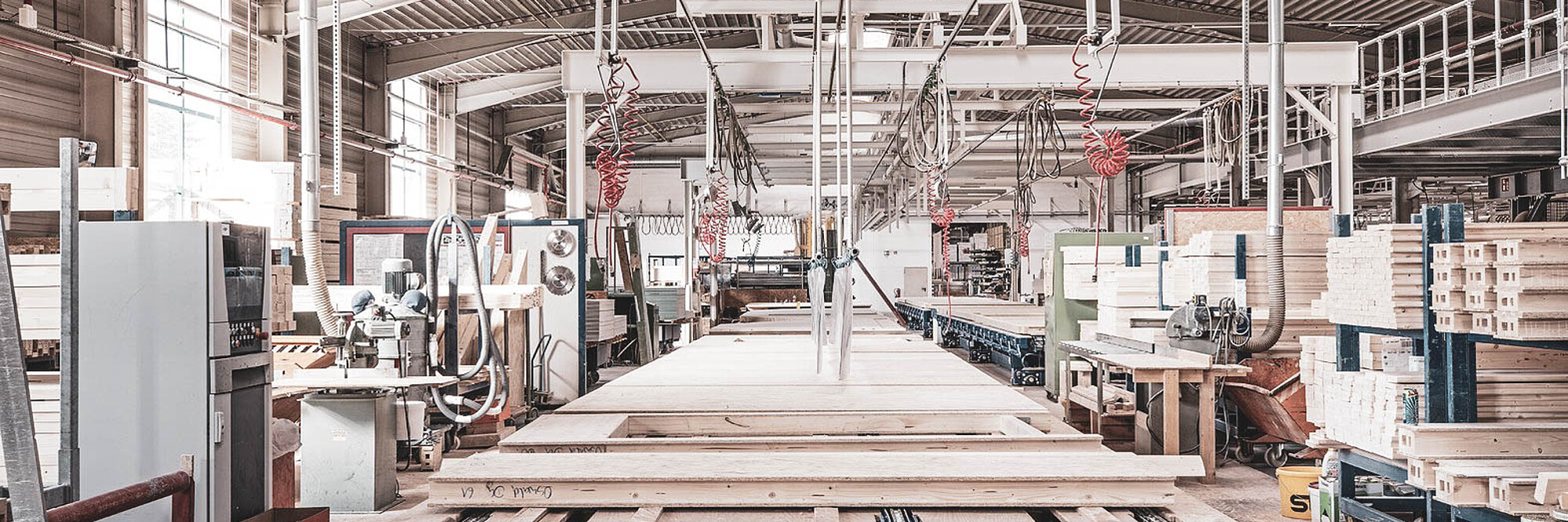
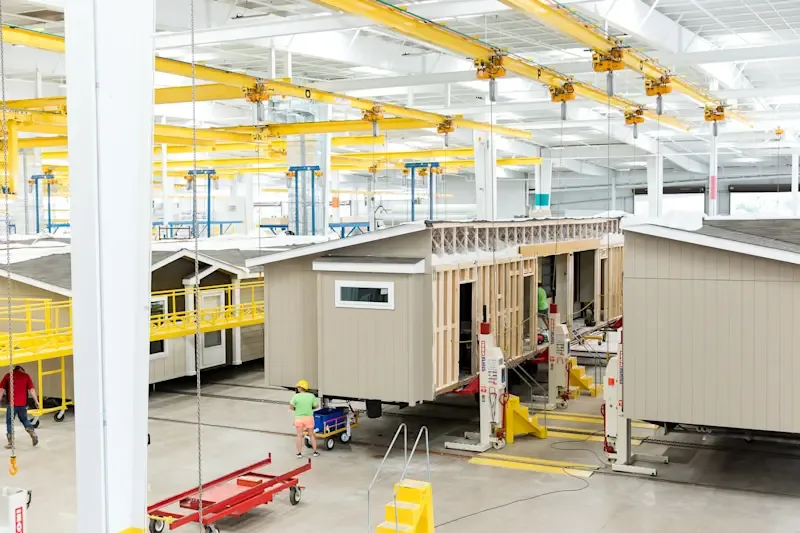
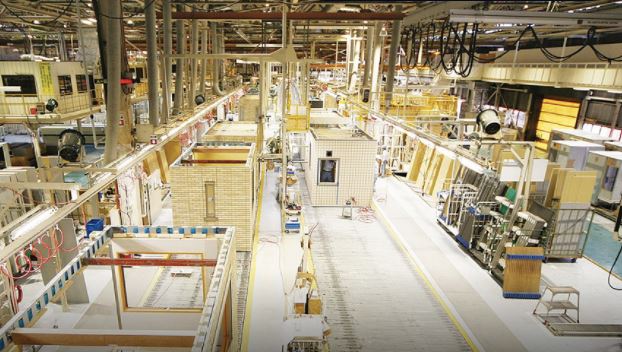
It is important to understand that the term “modular home” does not automatically mean either a summer house or a fully residential home. It describes a construction method. A modular home is manufactured in a factory from larger three-dimensional parts called modules, which are later transported to the plot and connected on site.
A Modular Home Can Be Designed for Different Uses
Not all modular homes are the same. Some may be intended for seasonal use, for example for summer holidays or weekends. Others may be designed as homes that can be lived in all year round.
That is why, for the buyer, the most important thing is not the word “modular” itself, but the intended use of the specific house. It is important to ask the manufacturer whether the house is suitable for permanent living, what its scope of delivery includes, and what work still needs to be completed on the plot.
What Does Living All Year Round Mean?
Living all year round means that the house must be comfortable not only in summer, but also during the colder months. Several things are important for this: insulation of the walls, roof, and floor, windows, airtightness, heating, ventilation, and proper connection to the required systems.
In simple terms, a nice-looking house is not enough. The buyer needs to understand how the house will perform in winter, how heat will be maintained, how air movement inside the rooms will be managed, and what systems will be installed.
If these questions are not discussed, the buyer may mistakenly assume that any modular home is automatically suitable for permanent living.
Why Is the Scope of Delivery Important?
The scope of delivery means what exactly is included in the manufacturer’s offer. One offer may include only the house structure. Another may include more work: insulation, windows, facade, interior finishing, heating solutions, or installation.
For this reason, two modular homes that look similar at first glance can differ significantly in how ready they are for living. One may be close to a fully finished home, while the other may still require many additional works.
When choosing, it is worth asking for a clear list: what is included, what is not included, and what work will need to be organized separately.
What Should Be Evaluated on the Plot?
Even if a modular home is manufactured in a factory, the plot is still very important. The foundation, access, utilities, and the place where the house will be installed all need to be evaluated.
The foundation must be prepared according to the specific house solution. It is also necessary to understand how the modules will be delivered to the plot and whether there is enough space for transportation and installation.
Utilities are also important: electricity, water, wastewater, and heating solutions should be planned in advance. Without these things, even a well-manufactured house will not be comfortable for everyday living.
What Questions Should You Ask the Manufacturer?
Before choosing a modular home, it is worth asking simple but specific questions. Is this model intended for permanent living? What level of finishing is included? Is heating planned? Is installation included? What work remains after delivery?
It is also worth asking what documents and technical solutions are provided together with the house. If the buyer is unsure, it is useful to consult a specialist who can evaluate the specific offer and the situation on the plot.
On the PrefabFind platform, it is useful for buyers to compare manufacturers not only by photos, but also by how clearly they present the house’s intended use, scope of delivery, materials, and additional services.
Conclusion
You can live in a modular home all year round if it is adapted for that purpose. The most important thing is to understand that not every modular home is automatically fully prepared for permanent living.
When choosing, buyers should clearly evaluate insulation, heating, ventilation, scope of delivery, foundations, utilities, and the work required after installation. The more clearly these questions are discussed at the beginning, the easier it is to make a calm and practical decision.