
Yes, it can be possible to buy a prefab home from Europe and import it to the United States. But it is not the same as ordering normal furniture or a small product online.
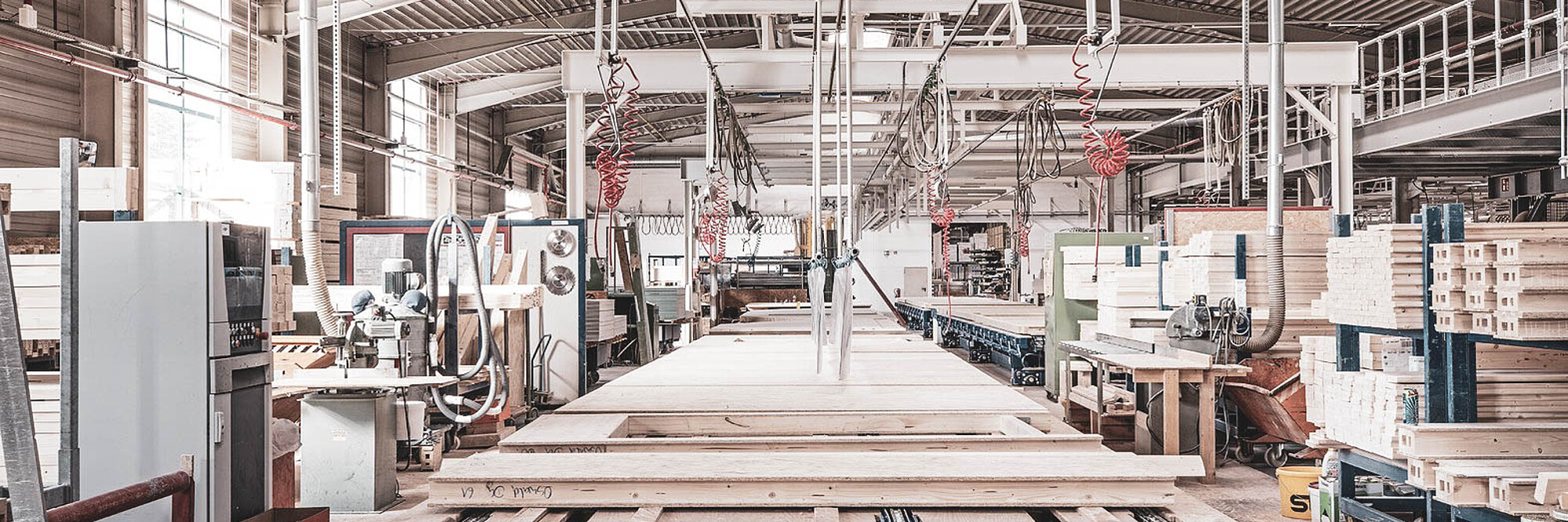
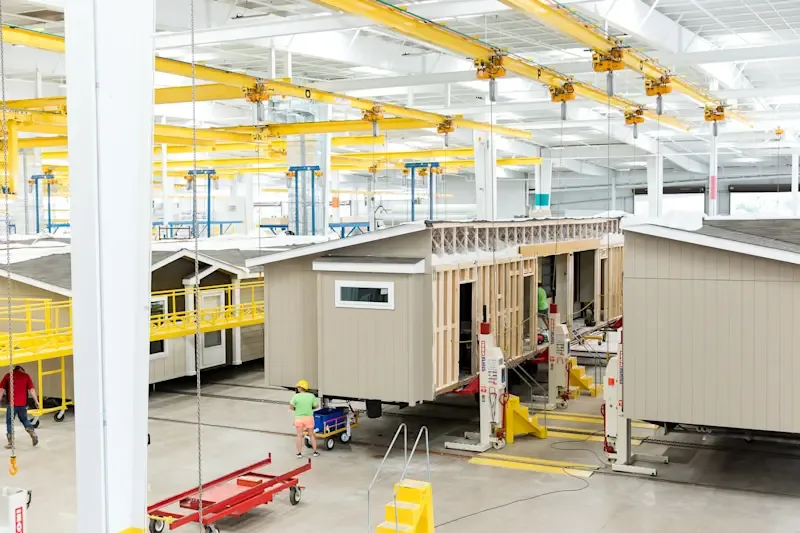
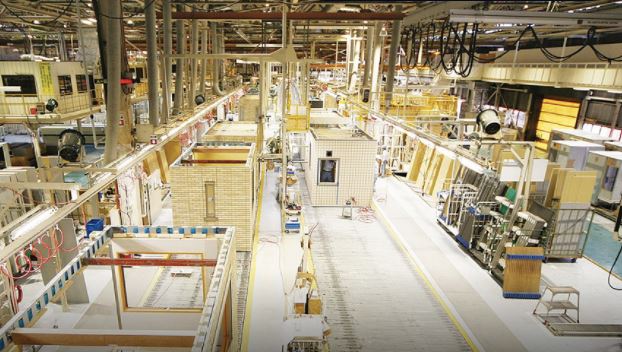
A prefab home is a building made partly or fully in a factory before it is transported to the final site. This can include modular homes, panelized houses, tiny homes, cabins, kit homes and other factory-made buildings.
For a US buyer, the process has two sides. First, the European manufacturer must be able to produce and ship the house. Second, the home must work for your land, local building rules, transport route, customs process and final installation in the United States.
What types of prefab homes can be shipped?
Different prefab homes can be shipped in different ways.
A panelized home is made from factory-built wall, floor or roof panels. These parts can often be easier to transport than a full modular unit because the building is shipped as separate elements and assembled on site.
A modular home is built from large three-dimensional sections called modules. These modules may already include walls, windows, doors, insulation, interior finishes and technical systems. Because modules are large, transport planning is more complex.
A kit or flat-pack home is shipped as a prepared package of parts. This may be easier to containerize, but it usually requires more assembly work in the US.
A tiny home or small cabin may be shipped as a complete unit in some cases, depending on size, weight and transport method.
The right option depends on the house design, dimensions, materials, finishing level and the distance from the European factory to your US site.
Can a turnkey house be imported?
A turnkey house usually means a home that is close to ready for use when delivered. In normal language, it means the buyer expects the manufacturer to handle most of the work.
For international projects, the word “turnkey” should be used carefully.
A European manufacturer may be able to produce a highly finished modular home. For example, the house may include windows, doors, interior walls, bathroom, kitchen, flooring, heating preparation or other systems.
But the final project in the US may still need local work. This can include foundations, utility connections, crane work, site preparation, local inspections, final installation and sometimes extra adjustments required by local rules.
So yes, a very complete prefab home can sometimes be shipped. But a buyer should not assume that “turnkey” means absolutely everything is finished after the container or module arrives at the port.
The better question is: what exactly is included, what will be done in Europe, and what must be handled in the US?
How shipping usually works
The shipping method depends on the size and shape of the home.
Smaller parts, panels or kit systems may fit into standard shipping containers. This can make the logistics simpler.
Larger modules may not fit inside a normal container. In that case, the shipment may need special transport, such as flat rack, open-top, breakbulk or another oversized cargo solution. Breakbulk means cargo that cannot fit inside a standard container and must be handled separately.
The manufacturer, freight forwarder or logistics company should confirm the correct method. They need the dimensions, weight, drawings, loading points, origin address, destination port and final site location.
Do not decide only by the factory price. For a US import project, shipping, port handling, inland transport, crane work and local installation can strongly affect the total cost.
Check your US land before ordering
Before choosing a European prefab manufacturer, check what can be built on your land in the United States.
Rules can vary by state, county, city and local zoning area. A house that works in one location may not be allowed in another location without changes.
You may need to check land use, setbacks, building size, height limits, foundation requirements, utility requirements and whether modular, panelized or other prefab construction is accepted in that location.
This should be done before paying for detailed production. Speak with the local building department, a local architect, engineer or permitting specialist.
A European manufacturer can produce the house, but the US site must still be legally and technically ready to receive it.
Ask about codes, engineering and documentation
A prefab home imported from Europe should not be judged only by appearance.
Ask the manufacturer what documentation they can provide. This may include technical drawings, structural information, material specifications, insulation details, window and door specifications, electrical planning and installation instructions.
A US buyer should also ask whether the manufacturer has previous experience with projects in the United States. If they do, ask what was shipped, where it was delivered and what part of the project was handled locally.
It is also important to understand the difference between building types. In the US, manufactured homes and modular homes can be treated differently. Local approval can depend on the exact home type, foundation, inspection process and state or local rules.
Because of this, the buyer should not rely only on the manufacturer’s general statement. The local authority or local specialist should confirm what is acceptable for the site.
Customs, paperwork and payment
Importing a prefab home into the US requires customs planning.
A buyer may work with a customs broker, freight forwarder or import specialist. These professionals can help with documentation, classification, customs entry and coordination with the shipping process.
You should ask the manufacturer for a clear commercial invoice, packing list, product description, origin information and technical details. The exact documentation can depend on the shipment.
Payment should also be planned carefully. Some manufacturers may request staged payments, such as a deposit, production payment and final payment before shipment. Others may have different terms.
If escrow is available, it may add protection. Escrow means money is held by a third party until agreed conditions are met. Whether escrow is possible depends on the provider, manufacturer, country and agreement.
Whatever payment method is used, the contract should clearly describe the house, price, included scope, excluded work, delivery terms, payment stages, production timeline and what happens if the project changes.
How to choose the right European manufacturer
Not every European prefab manufacturer is suitable for US projects.
Some companies focus only on local or nearby markets. Others may be experienced exporters. Some may ship panelized systems, while others may be better for modular homes, tiny homes or cabins.
Before choosing, ask several questions:
Can you ship to the United States?
Have you completed similar export projects before?
What shipping method would this house require?
What is included in the price?
What must be handled by local US contractors?
Can you provide drawings and documentation for local review?
Can I speak with previous buyers or see completed projects?
PrefabFind helps buyers compare prefab manufacturers in one place, including European suppliers. This can make it easier to find companies that match your preferred building type before starting detailed discussions.
Conclusion
You can buy a prefab home from Europe for a project in the United States, but it must be planned as an international building project.
The house can be modular, panelized, flat-pack, tiny or another prefab type. Some homes may fit in containers, while larger modules may need special shipping. A highly finished house may be possible, but local US work is usually still needed for foundations, installation, utilities and approvals.
The safest process is simple: check your land first, confirm local rules, choose the right prefab technology, compare European prefab manufacturers, understand shipping and customs, and make sure every responsibility is written clearly before payment.
A European prefab home can be an interesting option for a US buyer, but the full delivered project matters more than the factory price alone.