Yes, in many cases you can build an off-the-grid prefab home. But it is not only a question of choosing the right house.
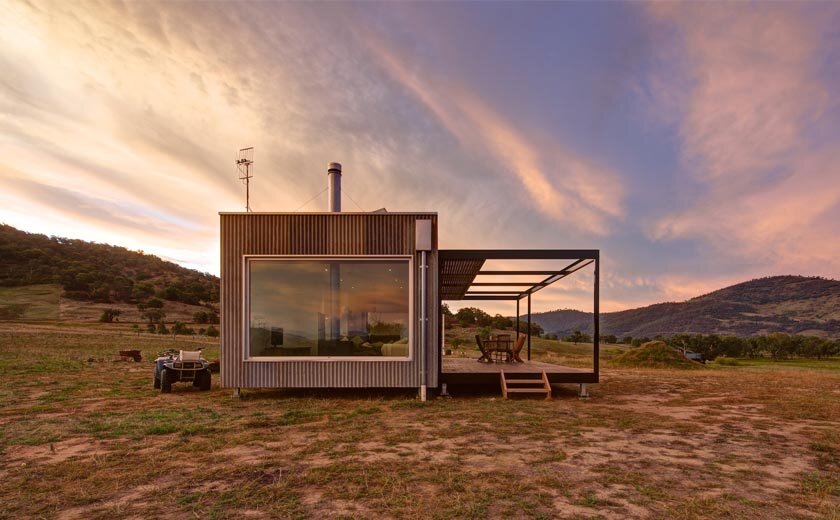
An off-the-grid prefab home is a factory-made house planned to work without some public utility connections. This may include electricity, water, sewage, heating, or a combination of these systems.
The idea can sound simple: buy land, place a prefab home, add solar panels, and live independently. In reality, the process needs careful planning. You must check what is allowed on your land, what systems are needed, which prefab manufacturers can support the project, and what will still need to be done on site.
1. Off-grid does not mean “no rules”
The first thing to understand is that off-grid does not automatically mean you can build anywhere without permission.
A prefab home is still a building. In many places, you may need approval before placing it on land. The exact rules can vary by country, municipality, plot type, building size, foundation type, and intended use.
Some areas may allow small garden buildings or seasonal cabins with a simpler process. Other areas may require formal permits even for small homes. If the home is used as a permanent residence, the requirements may be different from a holiday cabin or temporary structure.
Before speaking with manufacturers, check what is allowed on your land. Ask the local municipality, a local architect, or another specialist who understands building rules in that area.
Do not assume that a tiny house, mobile cabin, modular home, or off-grid house is automatically exempt from local rules.
2. Decide what “off-grid” means for your project
Off-grid can mean different things.
For one buyer, it may mean using solar panels and batteries instead of connecting to the electricity grid. For another buyer, it may mean using a private water source, composting toilet, septic system, or another wastewater solution.
Some buyers want a fully independent home. Others only want partial independence, for example a prefab home connected to water and sewage but powered partly by solar energy.
Before choosing a prefab home, define what you want to disconnect from.
Do you want to avoid electricity connection?
Do you need your own water solution?
How will wastewater be handled?
Will the house be used all year or only seasonally?
Will it need heating during winter?
These questions matter because a year-round off-grid home is more complex than a summer cabin. Heating, insulation, water protection, battery capacity, and backup systems become more important when the house is used in colder months.
3. Choose the right type of prefab home
A prefab home is a broad term. It means that large parts of the building are made in a factory before being transported to the site.
There are several types of prefab homes.
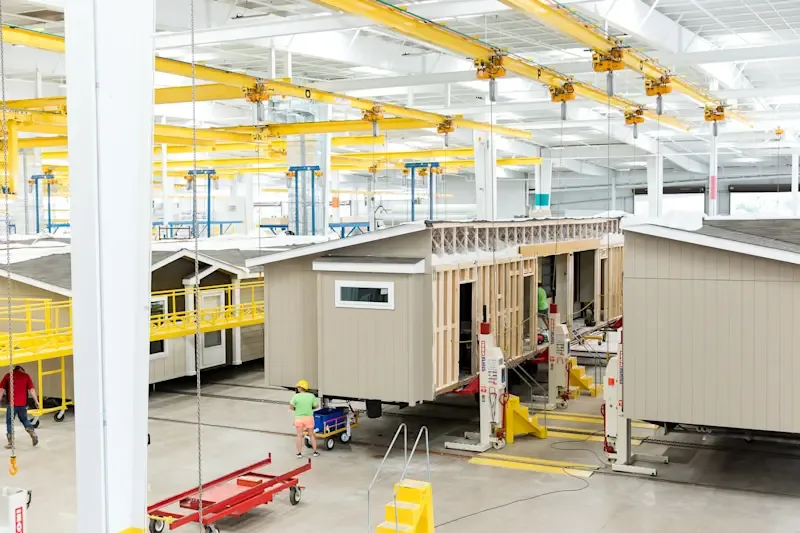
A modular home is built from large three-dimensional sections called modules. These are produced in a factory, transported to the land, and installed on site.
A panelized home is made from wall, floor, or roof panels. These panels are produced in a factory and assembled on the plot.
A tiny home is usually a compact small house. Some are built on trailers, while others are placed on foundations. The legal treatment can vary by location.
For an off-grid project, the right choice depends on the land, climate, access road, desired comfort level, and how much work you want the manufacturer to handle.
A small seasonal cabin may be easier to plan. A full-time residential home needs more careful technical planning, especially if it must work through winter.
4. Ask prefab manufacturers what they can include
Not every manufacturer offers the same scope.
Some prefab manufacturers only build the house structure. Others may offer more complete packages with windows, doors, insulation, interior finish, bathroom, kitchen, heating, or technical systems.
For an off-grid prefab home, this difference is important. You need to know whether the manufacturer can prepare the home for solar power, batteries, water tanks, heating systems, ventilation, or other technical solutions.
Ask clear questions before requesting a quote:
Can the house be prepared for off-grid use?
Can solar panels and batteries be integrated?
Can water tanks or technical rooms be planned into the design?
What heating options can be used?
What systems are included in the price?
What must be handled by local contractors?
A manufacturer may be able to build the house but not handle all off-grid systems. That is not necessarily a problem, but the responsibilities must be clear.
5. Plan the site, not only the house
An off-grid project is not only about the building itself.
The land must be suitable for delivery, installation, and daily use. A modular home may need enough road access for large transport. Crane access may also be needed, depending on the building and site.
You also need to think about foundations, drainage, water supply, wastewater, electricity generation, battery storage, heating, and backup options.
If the house will be used year-round, the site plan becomes even more important. Winter access, snow, freezing temperatures, and maintenance should be considered where relevant.
This is why buyers should not compare only the factory price of the prefab home. The real question is the total project cost, including the house, delivery, installation, foundation, technical systems, and local site work.
6. Check reliability before buying
Before choosing a supplier, compare several prefab manufacturers.
Ask for real completed projects, not only visualisations. Ask whether they have built off-grid or low-connection homes before. Ask whether they can show similar projects in a similar climate or country.
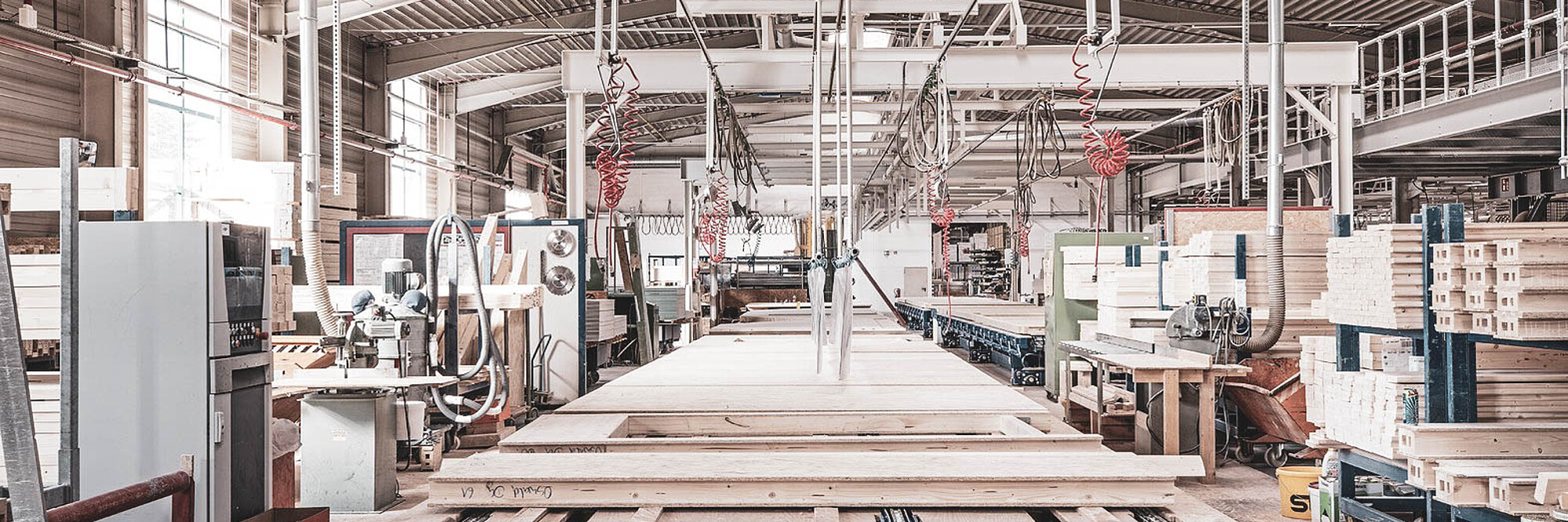
For a larger purchase, it can also be useful to visit the manufacturer, speak with previous customers, or request a video tour of the factory.
If escrow is available, it may add protection during payment. Escrow means money is held by a third party until agreed conditions are met. Whether this is possible depends on the provider, country, manufacturer, and contract structure.
Whatever payment method is used, make sure the agreement clearly describes the house, systems, payment stages, delivery scope, installation responsibilities, and what is excluded.
PrefabFind helps buyers compare prefab manufacturers in one place, so they can find suppliers that match their project type before starting detailed discussions.
Conclusion
You can build an off-the-grid prefab home, but it should be treated as a real building project, not just a product order.
Start by checking what is allowed on your land. Then define what off-grid means for your project: electricity, water, sewage, heating, or all of them. After that, choose the right prefab home type and compare manufacturers carefully.
The safest approach is to plan the full project, not only the house. A good off-grid prefab home needs a clear design, suitable land, reliable technical systems, realistic site preparation, and a manufacturer who understands the scope.