Buying a modular home from the Baltics can be a practical option for European buyers who want to compare prefab manufacturers beyond their local market.
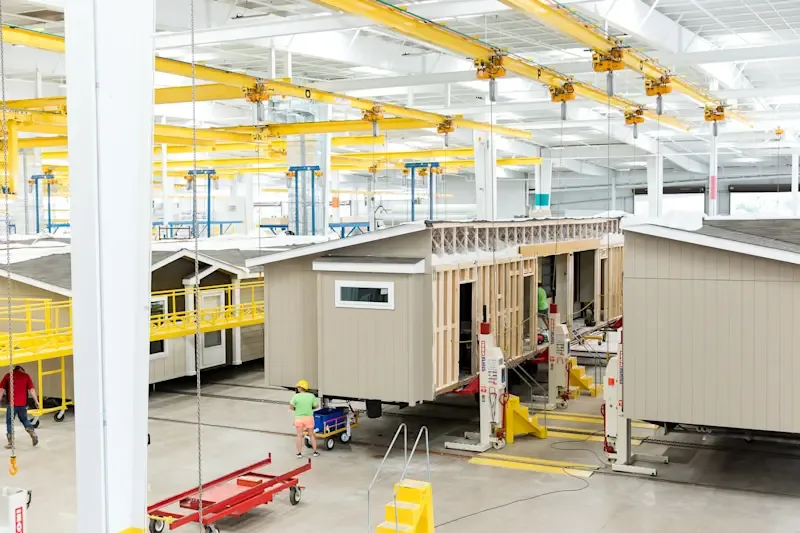
A modular home is a house built from factory-made sections, called modules, which are later transported to the building site and installed there. The process is different from buying a finished property. You are not only choosing a house design. You are also checking the manufacturer, delivery scope, transport, installation, payment terms and local site preparation.
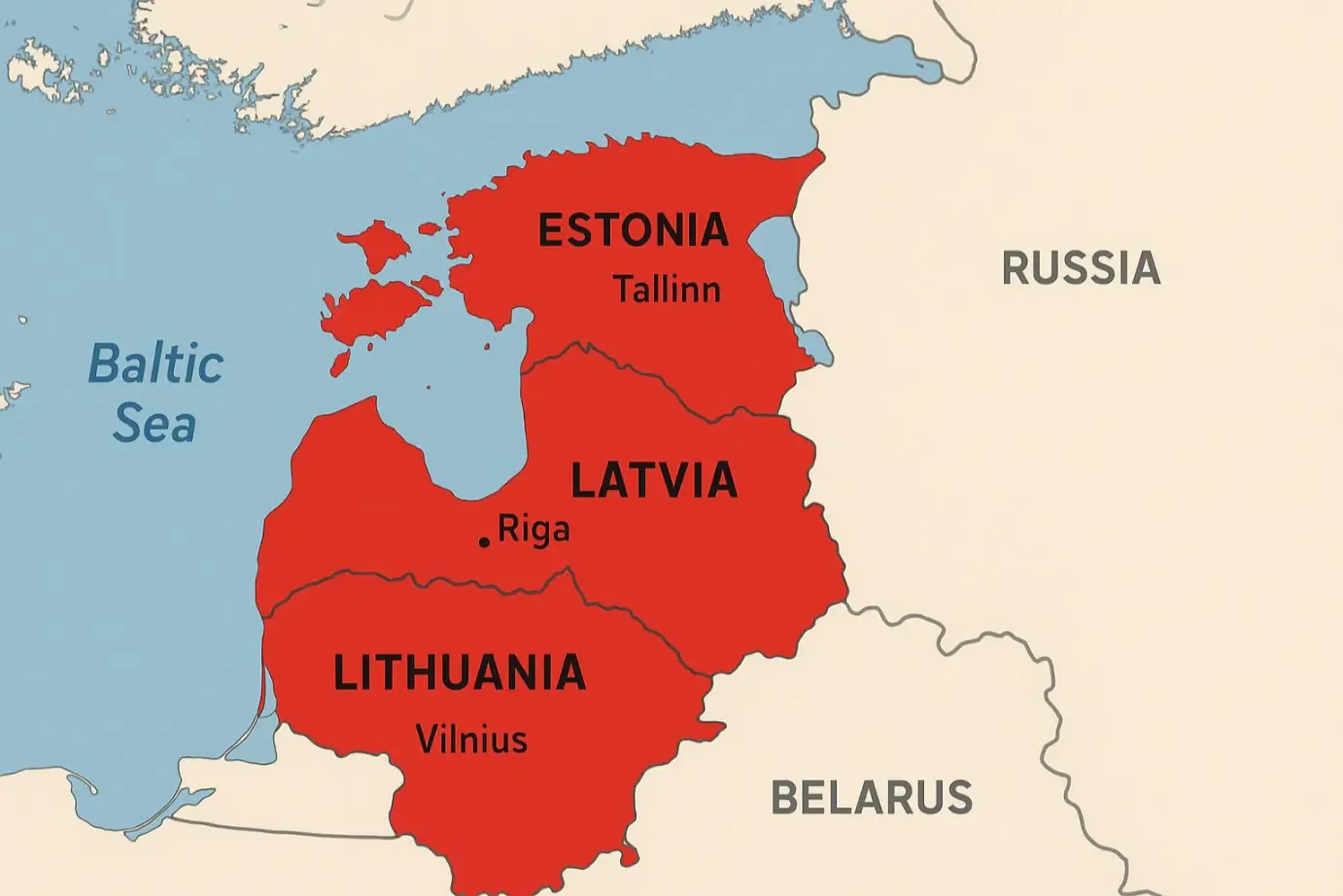
OEC data on prefabricated buildings shows that Baltic countries are active exporters in this category. Lithuania, Latvia and Estonia all sell prefabricated buildings to foreign markets, including several European destinations. This does not prove that every manufacturer is suitable for every buyer, but it shows that the region is already connected to international prefab trade.
1. Start by finding the right prefab manufacturers
The first step is to create a shortlist of prefab manufacturers from Lithuania, Latvia and Estonia.
You can search directly on Google, check company websites, look at completed projects and compare what each manufacturer actually builds. Some companies focus on modular homes. Others may produce panelized houses, cabins, saunas, holiday homes or commercial buildings.
This step can take time because many manufacturers present information differently. Some show clear models and prices. Others require direct contact before giving details.
PrefabFind helps buyers compare prefab manufacturers in one place, so they can review suppliers, building types and project examples before contacting companies directly.
2. Send drawings, a brief or choose an existing model
After you find several suitable manufacturers, the next step is to send them your project information.
If you already have architectural drawings, floor plans or a technical brief, send these files to the manufacturer. This helps them understand the size, layout, structure and level of finishing you expect.
If you do not have your own design, you can ask about the manufacturer’s existing modular home models. Many buyers start with a standard model and then ask what can be changed.
At this stage, your goal is not to make a final decision. Your goal is to understand whether the manufacturer can build what you need and whether the project is realistic for your budget.
3. Ask for a detailed quote, not only a simple price
A simple price is not enough when buying a modular home from another country. You need a detailed quote or invoice-style offer that explains what is included and what is not included.
Ask the manufacturer to separate the main cost items clearly. This may include factory production, insulation, windows, doors, interior finish, technical systems, transport, crane work and installation.
You should also ask what is excluded. For example, the foundation, local permits, water connection, electricity connection, sewage system and landscaping are often handled separately, depending on the project and country.
The important question is not only “How much does the house cost?” The better question is: “What will be the full cost before I can actually use the house?”
4. Check transport, installation and total project cost
Transport can make a big difference when buying from the Baltics. A modular home has to be moved from the factory to your site, and large modules may require special transport planning.
Before moving forward, ask the manufacturer whether they can arrange transport to your country. Also ask whether they handle installation themselves, work with local partners or expect the buyer to organize part of the work.
You should understand the full scope before making a decision. A lower factory price may not be attractive if transport, crane work, installation or local preparation makes the final project too expensive.
This is also the moment to check whether the manufacturer has delivered to your country before. If they have similar project experience, it may be easier to discuss practical details.
5. Consider visiting the factory before signing
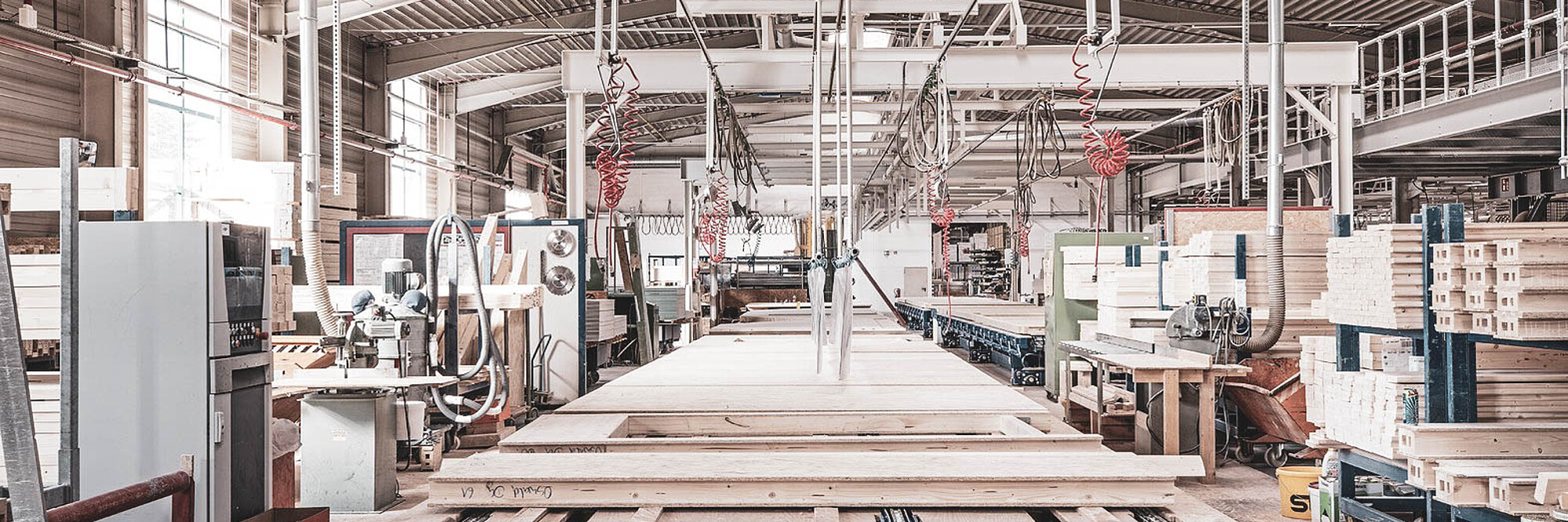
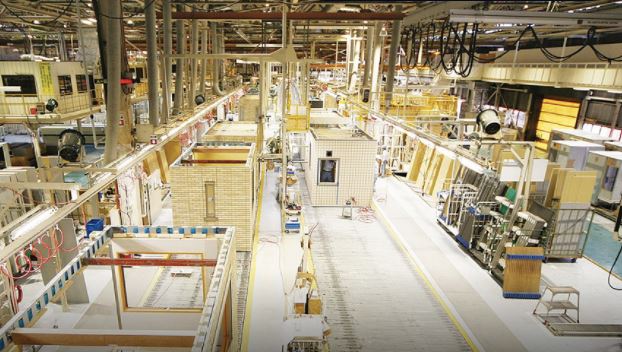
For a large purchase, visiting the manufacturer can be useful. Some buyers choose to fly to Lithuania, Latvia or Estonia to see the factory, meet the team and inspect completed or in-production buildings.
This is not always required. Some buyers may work through a local distributor in their country. Others may complete the process online through calls, documents and video meetings.
Still, a factory visit can help build trust. You can see how the company works, ask more detailed questions and discuss customisation, delivery timing, installation responsibilities and payment terms face to face.
If visiting is not practical, ask for a video tour, recent project photos, client references and a clear written specification.
6. Agree on payment terms and buyer protection
Before signing, ask how payment will be handled. The payment structure can vary by manufacturer and project.
Some companies may ask for staged payments. Others may have their own contract process. In some cases, buyers may ask whether escrow or another protected payment method is available.
Escrow means that money is held by a third party until agreed conditions are met. Whether escrow is available depends on the provider, country, payment system and agreement between the parties.
Do not rely only on verbal promises. The contract should clearly describe the building, price, payment stages, delivery responsibilities, installation scope, timelines and what happens if something changes.
Conclusion
Buying a modular home from the Baltics usually starts with research and comparison. You find suitable prefab manufacturers, send your drawings or choose a standard model, request a detailed quote, check transport and installation, and only then decide whether the full project makes sense.
A factory visit can be a good step for buyers who want more trust before signing, but it is not the only option. Some projects can be handled through distributors or online communication.
The main rule is simple: do not compare only the house price. Compare the full delivered project, including scope, transport, installation, payment terms and local site preparation. That is how a buyer can make a safer decision when purchasing a modular home from Baltic manufacturers.