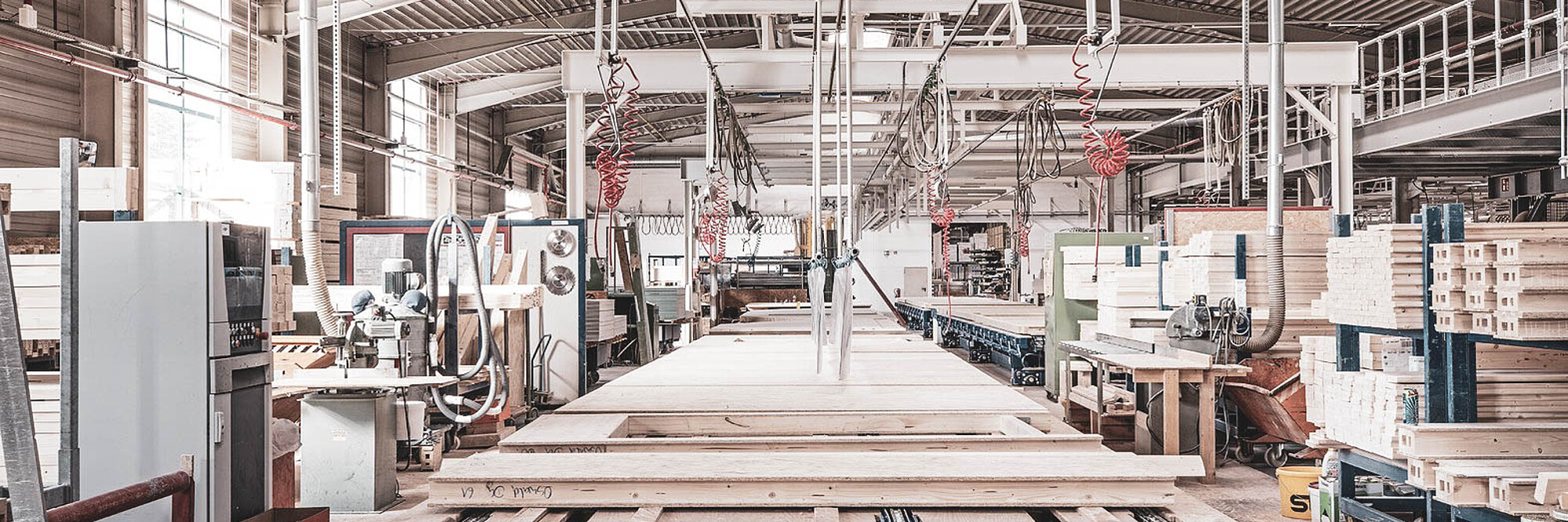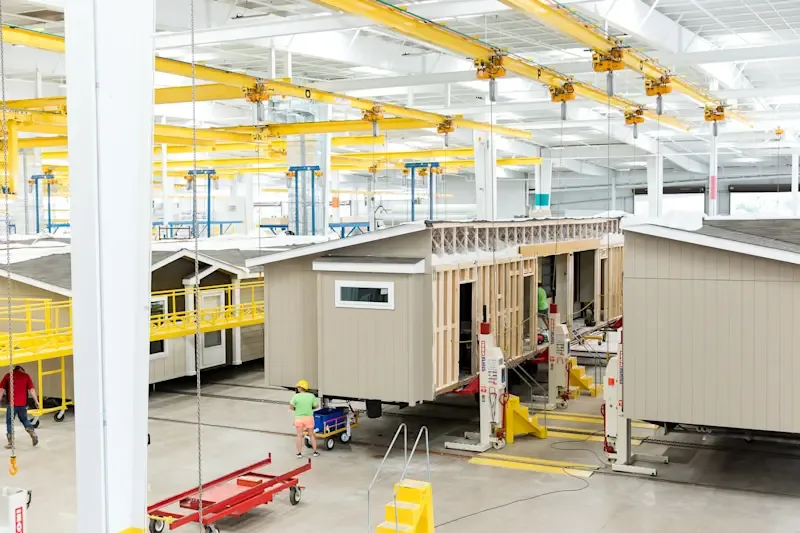
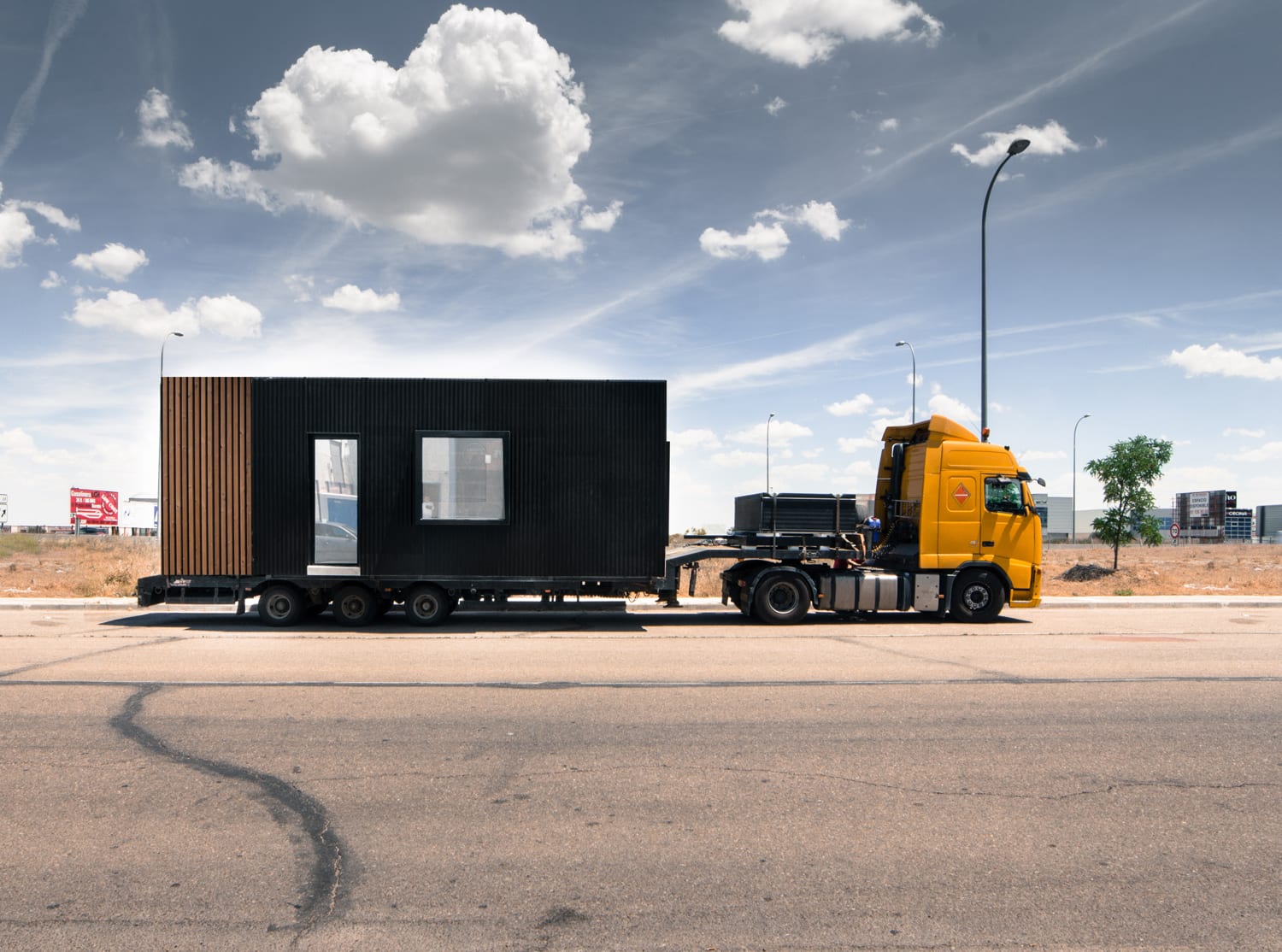
Prefabricated houses are buildings whose parts are manufactured in advance, usually in a factory, and later transported and assembled at the chosen location. This category can include modular, panelized, and other pre-manufactured buildings.
In 2024, the Baltic countries remained visible in the export of prefabricated buildings. However, it is important to understand that in international trade statistics, the HS 9406 category often means “prefabricated buildings” in a broad sense. This can include not only residential houses, but also other prefabricated buildings.
What Do the 2024 Export Figures Show?
According to international trade data, in 2024 Estonia exported the highest value of prefabricated buildings among the three Baltic countries. Estonia’s exports reached approximately USD 381.2 million.
Lithuania’s exports of prefabricated buildings reached approximately USD 267.4 million. This shows that Lithuania is also a significant exporter in this category in the region.
Latvia’s exports were lower, at approximately USD 86.2 million. This does not mean that Latvian manufacturers are not important, but within this specific product category, Latvia’s export scale in 2024 was smaller than that of Lithuania and Estonia.
Where Did Lithuania Export the Most?
In 2024, Lithuania’s main export destinations in this category were Germany, Norway, the United Kingdom, Sweden, and Iceland.
This is important for buyers because exports to these markets show that some Lithuanian manufacturers work not only for the local market. They have experience with international orders, transportation, and the needs of clients in different countries.
However, exports alone do not guarantee that every manufacturer will be suitable for a specific buyer. It is still necessary to evaluate the specific house, scope of delivery, materials, documents, timelines, and what exactly is included in the offer.
Why Does Estonia Appear the Strongest?
In 2024, Estonia exported more prefabricated buildings than Lithuania and Latvia. Its main export destinations were Norway, Germany, Sweden, the United Kingdom, and Finland.
This shows a strong connection with Northern and Western European markets. In these markets, buyers often value clear production processes, organized transportation, and the ability to work on international projects.
For buyers, this is useful to understand because Baltic manufacturers are not only local market players. Some of them compete in the wider European market.
What Does Latvia’s Export Look Like?
In 2024, Latvia exported a lower value of prefabricated buildings than Lithuania and Estonia. Latvia’s main export destinations were Sweden, the Netherlands, Norway, Iceland, and Germany.
Latvia’s case shows that even a smaller market can have international clients. However, looking at the overall figures, Lithuania’s and Estonia’s export scale in this category was significantly larger.
For buyers, this means that when choosing a manufacturer, it is worth looking not only at the country, but also at the experience, quality of work, clarity, and ability of the specific manufacturer to provide a transparent offer.
What Does This Mean for Buyers in Lithuania?
Export data helps show that prefabricated houses and buildings in the Baltic countries are not only a niche local topic. Manufacturers from Lithuania, Latvia, and Estonia work with foreign markets, especially in Northern and Western Europe.
However, buyers should not make decisions based only on a country’s export statistics. The most important thing is to compare specific offers: what is included, what the scope of delivery is, whether the materials are clearly described, and how transportation, installation, and work on the plot are handled.
On the PrefabFind platform, it is useful for buyers to see manufacturers in one place and compare them based on clearly presented information, not only attractive visualizations.
Conclusion
The 2024 export data for prefabricated buildings in the Baltic countries shows a clear difference between the three markets: Estonia exported the most, Lithuania ranked second, and Latvia’s export scale was smaller.
For buyers, these figures are useful as general market context. They show that Baltic manufacturers have export experience, but the final choice should still be based on the specific manufacturer’s offer, scope of delivery, clarity, and suitability for your project.