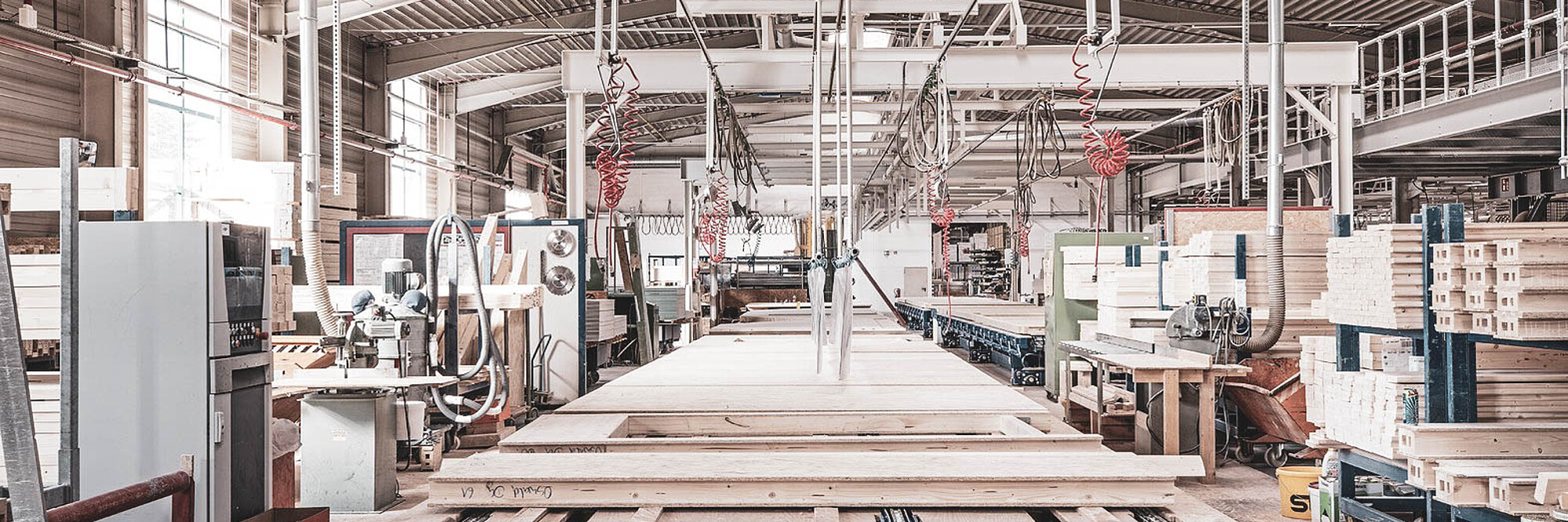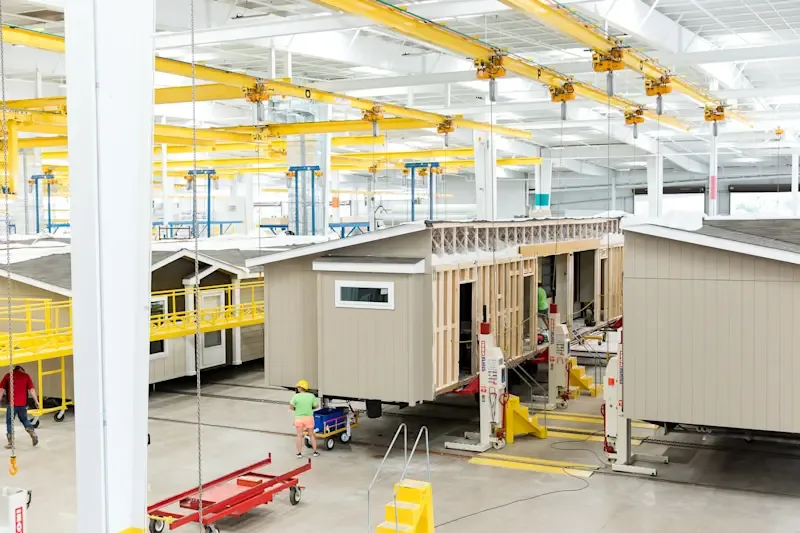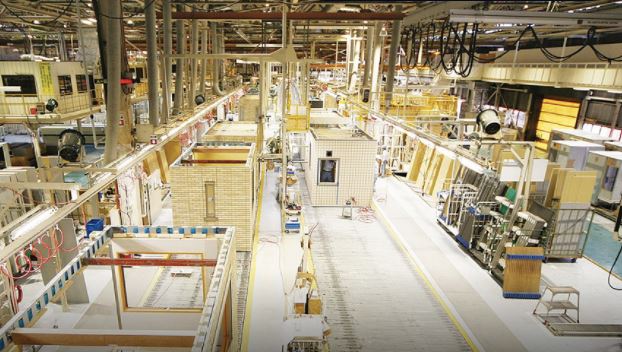
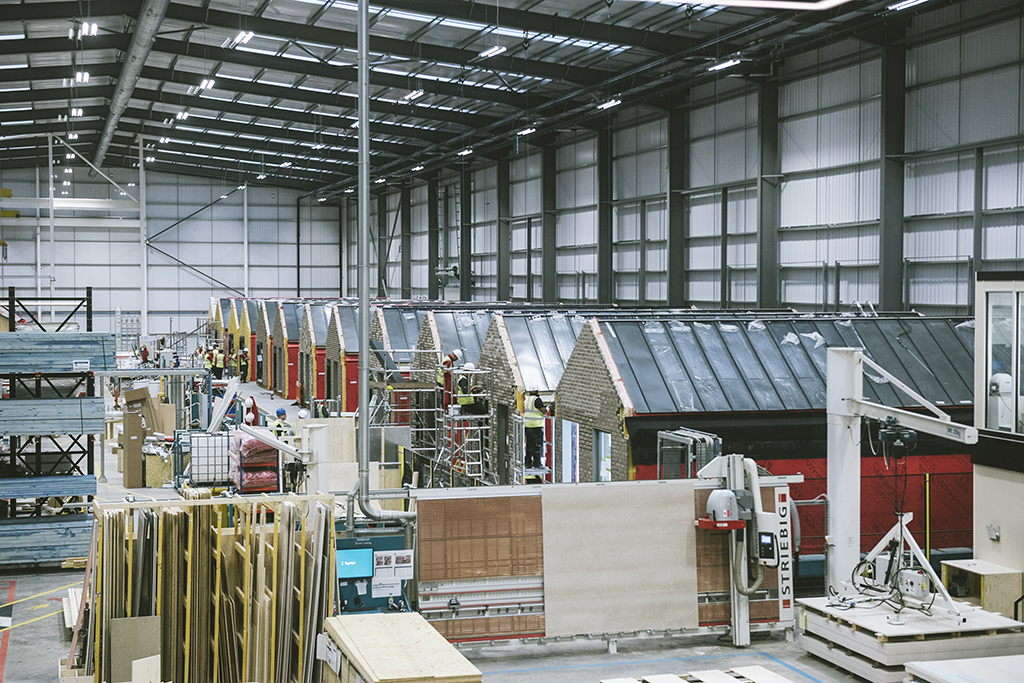
A modular home is a house whose parts are manufactured in a factory as modules and later transported to the plot and connected on site. In simple terms, a module is an already formed part of the house. It is often made from panels that are assembled in the factory into a larger three-dimensional unit.
There are still many misconceptions about modular homes. Some people confuse them with temporary buildings, while others think that all modular homes are the same. In this article, we discuss 5 common myths that can make it harder to evaluate this choice calmly and rationally.
Myth 1: A modular home is always temporary
One common myth is that a modular home is only a temporary or seasonal building. In reality, the word “modular” primarily describes the manufacturing and assembly method, not how long the house will be used.
For the buyer, it is important to look not only at the name itself, but at the specific project, structure, materials, level of finishing, and information provided by the manufacturer. The fact that a house is modular does not automatically explain everything about its purpose or quality.
Myth 2: All modular homes are the same
Another myth is that modular homes all look the same and offer very limited choice. This may seem true when looking at a few similar models, but the modular home principle itself does not mean one specific design.
Different manufacturers may offer different layouts, facade solutions, finishing levels, and additional services. Therefore, when comparing offers, it is worth looking not only at the house visualization, but also at what exactly is included in the offer.
On the PrefabFind platform, it is useful for buyers to compare manufacturers based on clearly presented information: house type, scope of delivery, materials, delivery options, and additional works.
Myth 3: A modular home can simply be placed anywhere
Sometimes people think that a modular home is a very simple solution: choose a model, have it delivered, place it on the plot, and that is all. In reality, the plot still needs to be assessed and prepared.
It is important to understand whether there is suitable access to the site, whether the foundation is prepared, how utilities will be handled, and what work will remain after installation. It is also necessary to evaluate the documents for the specific project and the local requirements.
Therefore, before making a decision, it is worth speaking with the manufacturer and, when needed, with specialists who can assess the specific plot.
Myth 4: The starting price shows the full budget
Another risky myth is assuming that the starting price always shows the full future budget. Modular home offers can differ depending on what exactly is included.
One offer may include only the house structure. Another may include more work: windows, facade, interior finishing, transportation, or installation. Therefore, direct price comparison can be misleading if it is not clear what each offer includes.
The best approach is to ask for a clear list: what is included, what is not included, and what works the buyer will need to organize separately.
Myth 5: A modular home does not require buyer involvement
A modular home can help make the process easier to plan, because a large part of the work is done in a factory. However, this does not mean that the buyer no longer needs to be involved.
The buyer needs to understand their needs, assess the plot, choose the right scope of delivery, agree on timelines, clarify transportation, and understand the works required after installation. The more clearly these questions are discussed at the beginning, the fewer misunderstandings there will be later.
Conclusion
A modular home is not a magical or automatically simple solution. It is a construction method where parts of the house are prepared in a factory and connected on the plot.
The most important thing is not to rely on myths. Buyers should compare specific offers, check the scope of delivery, understand plot preparation, and clearly ask the manufacturer what is included. This way, a modular home becomes not an unclear term, but a practical choice that can be evaluated according to real needs.