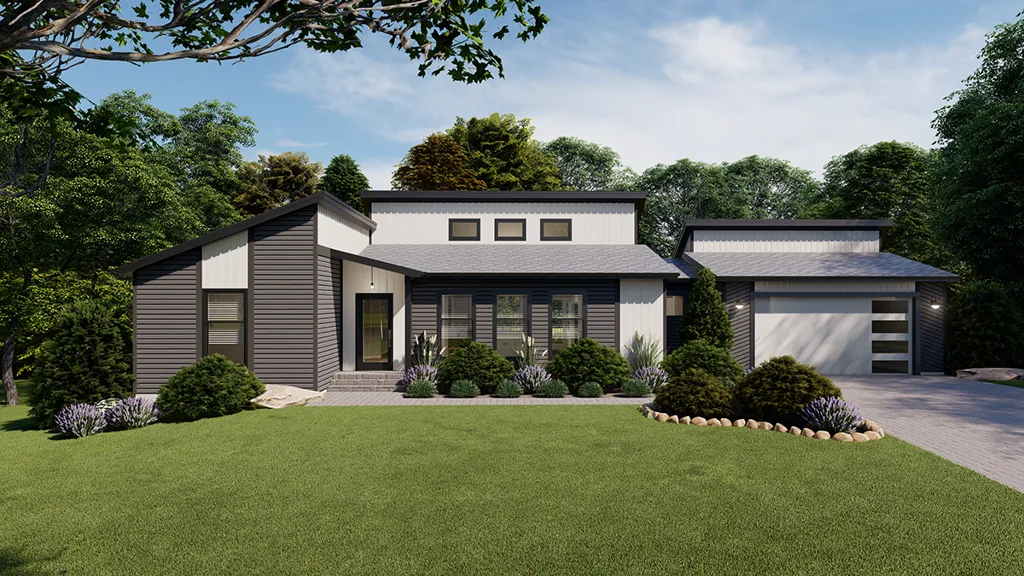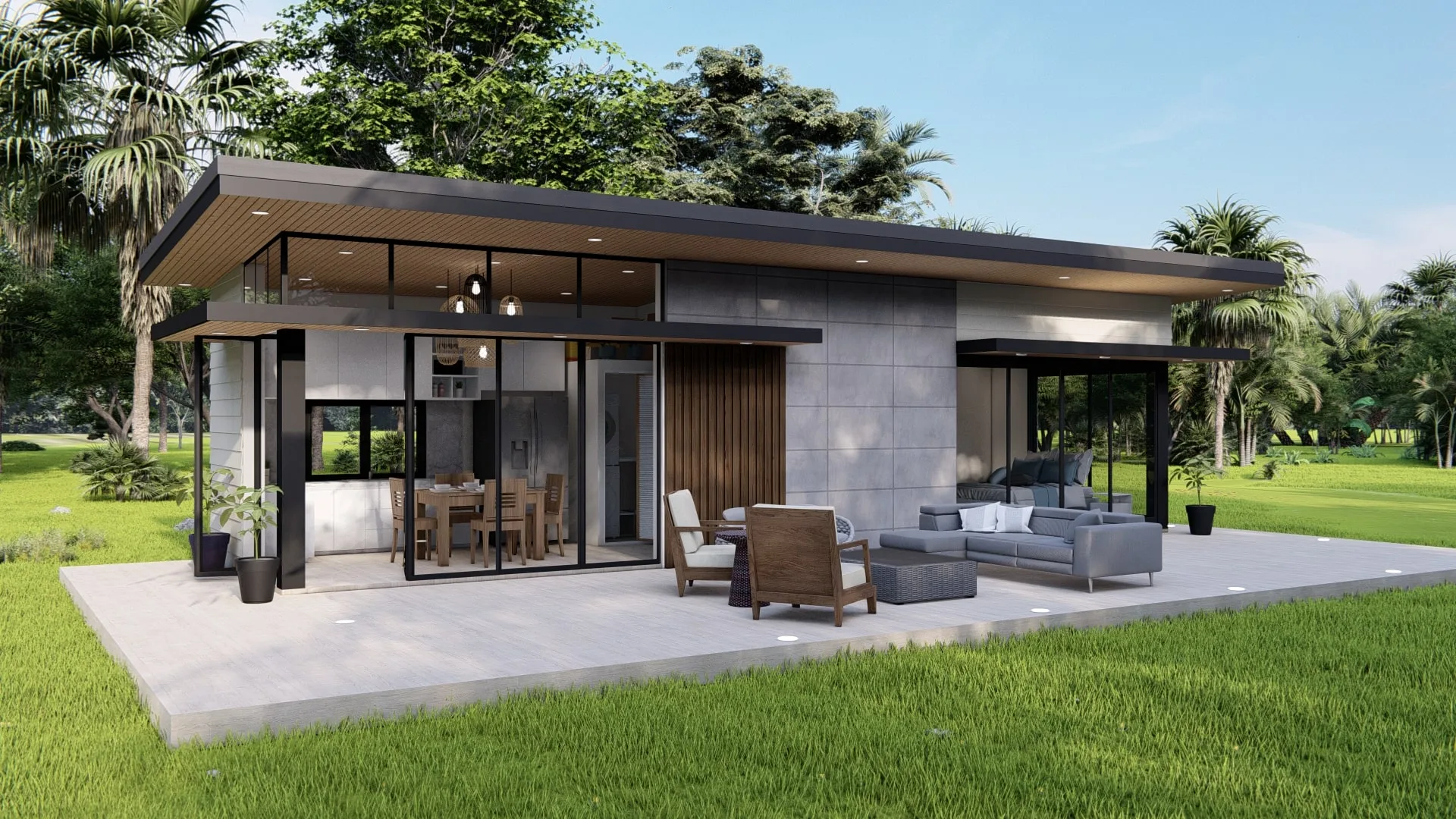
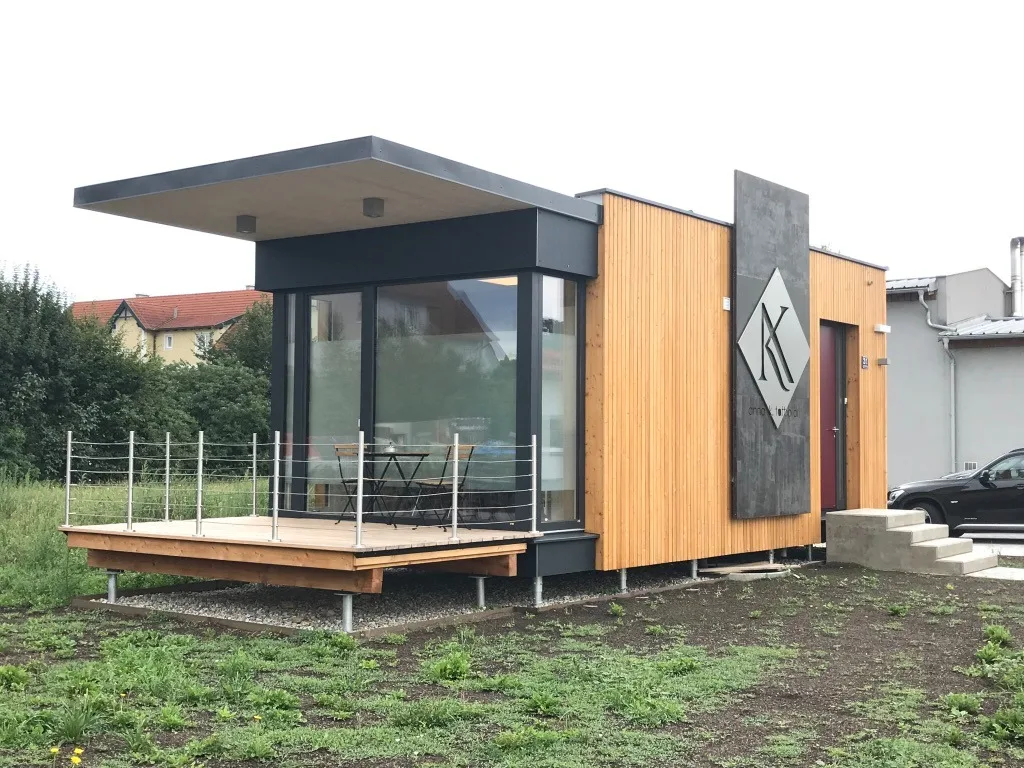
Austria has a strong prefab building culture, especially in timber construction. But not every prefab house is a modular home.
A modular home is built from factory-made sections, often called modules. These modules are transported to the land and installed on site. Some are compact single modules. Others are made from two, three, or more modules connected together.
This is different from a classic panelized prefab house, where walls, floors, and roof panels are made in a factory and assembled more piece by piece on the plot.
This article lists 10 modular home manufacturers and providers worth comparing in Austria. It is not a strict ranking from best to worst. The right company depends on your land, budget, design, local rules, delivery route, and how much of the project you want the manufacturer to handle.
What to check before buying a modular home in Austria
Before choosing a modular home manufacturer, check what can be built on your land.
A modular home is still a building project. In Austria, building rules are not the same everywhere. Requirements can vary by federal state, municipality, plot, building size, foundation, use, and local planning rules.
A small garden unit, weekend house, tiny house, holiday cabin, and full-time residential home may not be treated the same way.
Do not assume that a modular home can be placed anywhere without approval. Speak with the local municipality, an architect, builder, or planning specialist before paying a deposit.
Also check access to the site. Modular homes may need truck access, unloading space, and sometimes crane installation. This can be difficult on narrow roads, sloped land, mountain plots, or dense village sites.
10 modular home manufacturers to compare
1. McCube
McCube is one of Austria’s clearest modular home brands. The company describes its houses as smart prefab modular homes from Austria, designed to adapt to different living situations.
McCube may be suitable for buyers who want a compact or medium-sized modular home rather than a traditional large house. Its modular concept is built around flexibility, with homes that can be adapted, extended, or changed depending on the buyer’s life situation.
This company is worth comparing if you want a modern Austrian modular home with a clear product identity.
Before choosing, ask what is included in the package, how transport and installation work, and what local preparation is needed on your land.
2. Schachner Modulhaus
Schachner Modulhaus is based in Upper Austria and focuses on modular homes made with solid timber systems.
The company offers different modular concepts, including residential homes, holiday homes, garden buildings, and energy-efficient module houses. It also presents flexible modular planning, which can be useful for buyers who want more than a fixed catalogue design.
Schachner may be a strong option for buyers who want a timber-based modular home from an Austrian company with a direct focus on module construction.
It is worth checking if you care about solid wood, energy performance, and a more permanent home feel.
3. Modularis Novum
Modularis Novum presents itself as a fully Austrian modular house provider. The company says its modules are produced in its own factory in Styria and that it serves regions including Styria, Burgenland, Lower Austria, Carinthia, and Tyrol.
This can be useful for buyers who want a regional Austrian supplier and a clearer connection between planning, production, and assembly.
Modularis Novum may be relevant for people looking for residential modular homes rather than only small garden rooms or temporary units.
Before moving forward, ask what models are available, what can be customized, and whether the company has delivered similar homes in your federal state.
4. NATIVA Modulhaus
NATIVA Modulhaus offers modular homes in Austria with a focus on sustainable, healthy, and practical living spaces. Its house models cover smaller and medium-sized living formats.
NATIVA may be interesting for buyers who want a compact home, retreat, family living space, workspace, or tourism unit. The company also presents planning support, building feasibility checks, and coordination with Austrian building requirements.
This may be a good option for buyers who do not only want a product, but also want help understanding whether a modular home is realistic for their land.
Ask early what is included in the planning service, what is included in the building price, and what must still be arranged locally.
5. Modulbauhaus
Modulbauhaus is based in Steyr and presents itself as an Austrian provider of high-quality modular houses. It works with steel modular construction and offers modular homes, tiny houses, chalets, hotels, residential buildings, student housing, offices, and special modular solutions.
This company may be relevant for buyers who want a steel-based modular system rather than a timber-only approach.
Modulbauhaus is also useful to compare if the project is not just one private home. It may fit buyers planning a holiday rental project, small hotel units, student accommodation, or a larger modular building.
For a normal private buyer, the key question is whether the company’s system and project size fit your land and budget.
6. Genböck Haus microHOME
Genböck Haus is an established Austrian prefab house manufacturer, and its microHOME concept focuses on compact modular homes made in Austria.
The microHOME line is relevant because it is aimed at small modular living, not only classic full-size prefab houses. Genböck describes these homes as modular wooden buildings produced and assembled in Upper Austria.
This may be a good option for buyers who want a compact house from a larger and more established Austrian housebuilder.
Ask whether the specific model is suitable for year-round living, what foundation is needed, and what parts of the work are handled by Genböck versus local contractors.
7. Wohnwagon
Wohnwagon is known for tiny houses and autarkic living concepts, but it also offers modular houses. Its modular house examples include compact homes and larger multi-module layouts.
This company may be interesting for buyers who want a more natural, self-sufficient, or low-impact living concept. Wohnwagon’s modular homes can include several modules connected together, so the offer is not limited to one-room tiny units.
Wohnwagon may be a good fit for people interested in compact family living, holiday homes, rural plots, or off-grid-style projects.
Before choosing, ask how the house is approved locally, how the technical systems work, and what service connections are still needed.
8. Leidorf Holztechnik
Leidorf Holztechnik offers tiny houses, modular houses, and mobile homes using solid wood and CLT. CLT means cross-laminated timber, a strong engineered wood material made from layers of timber.
The company says its tiny houses are manufactured in Austria and that modular homes can be built from one, two, or three modules. It also describes options for ground-level arrangements and two-storey versions.
Leidorf may be a good choice for buyers who want a compact timber modular home with a strong material focus.
Ask whether your desired size, roof shape, interior finish, and foundation type are possible before comparing prices.
9. LAGOM Haus
LAGOM Haus offers modular tiny houses from Austria. Its positioning is around small living, transportable houses, mini houses, and modular house concepts.
This company may be relevant for buyers who want a compact home rather than a large family house. It can be worth checking for small plots, holiday use, guest units, or lifestyle projects where less space is part of the concept.
Because compact homes can be treated differently depending on location and use, buyers should be careful with the planning side.
Ask whether the home is intended for permanent living, seasonal use, rental use, or another purpose.
10. Tiny Modulhaus / Tiny Modul GmbH
Tiny Modulhaus offers tiny, mini, and modular house concepts in Austria. It is relevant for buyers looking for smaller homes and compact modular living options.
This company may be worth comparing if you want a small modular house and prefer a simpler living concept rather than a traditional large home.
As with other smaller modular providers, buyers should ask for completed projects, construction details, delivery method, installation scope, and what documents are available for local approval.
It is also important to understand whether the product is a tiny house, mobile home, full modular home, or another type of compact building.
Private buyers or larger projects?
Austria’s modular home market includes different company types.
Some companies are better for private buyers who want one compact house. McCube, NATIVA, Wohnwagon, Leidorf, LAGOM Haus, Genböck microHOME, and Tiny Modulhaus may be easier to compare for this type of buyer.
Other companies may be better for larger or more technical projects. Modulbauhaus can be relevant for steel modular buildings, hotels, chalets, student housing, offices, or bigger modular concepts. Schachner and Modularis Novum may also fit more complete residential projects.
This distinction matters because a small module for a garden or holiday plot is not the same as a full-time residential modular home.
How to compare modular home manufacturers in Austria
Do not compare only the photos.
Ask each manufacturer what construction system it uses. Is it a timber module, steel module, CLT module, solid wood system, mobile tiny house, or hybrid prefab system?
Then ask what is included in the price. Some offers may include a finished interior, bathroom, kitchen, heating, and technical systems. Others may exclude foundation, transport, crane work, utility connections, permits, site preparation, and landscaping.
Transport is also important. A modular home must physically reach your land. If the access road is narrow, steep, or difficult, this can affect the design and cost.
The real price is not only the module price. It is the full delivered and installed project.
Questions buyers should ask before signing
Before paying a deposit, ask for a written specification.
The offer should explain the building size, structure, materials, insulation, windows, doors, bathroom, kitchen, heating, ventilation, electrical system, plumbing, transport, installation, payment stages, warranty, and exclusions.
Ask for real completed projects, not only renderings. If possible, visit a show unit, factory, or completed home. If that is not possible, ask for a video walkthrough and customer references.
Also ask whether the manufacturer has delivered in your federal state or municipality before. Local experience can help with building applications, site access, foundations, delivery, and installation.
A modular home can make construction more controlled, but it is still a serious building project.
How PrefabFind helps buyers
PrefabFind helps buyers compare modular home manufacturers and prefab manufacturers in one place.
This is useful in Austria because the market includes many different company types: timber modular builders, compact-home brands, tiny-house makers, steel modular companies, and traditional prefab house manufacturers with modular products.
With PrefabFind, buyers can compare companies by country, building type, and project category before contacting suppliers directly.
The goal is not only to find the most famous manufacturer. The goal is to find the right company for your land, local rules, budget, and final use.
Conclusion
Austria has several modular home manufacturers and providers worth comparing. McCube, Schachner Modulhaus, Modularis Novum, NATIVA Modulhaus, Modulbauhaus, Genböck microHOME, Wohnwagon, Leidorf Holztechnik, LAGOM Haus, and Tiny Modulhaus all serve different parts of the modular housing market.
There is no single best modular home manufacturer for every buyer. Some companies are better for compact homes. Some are better for timber construction. Some are better for steel modules or larger projects. Others focus on small homes, off-grid-style living, or flexible house systems.
The safest approach is simple: check your land first, confirm local rules, compare several modular home manufacturers, and make sure the full project scope is written clearly before you pay.