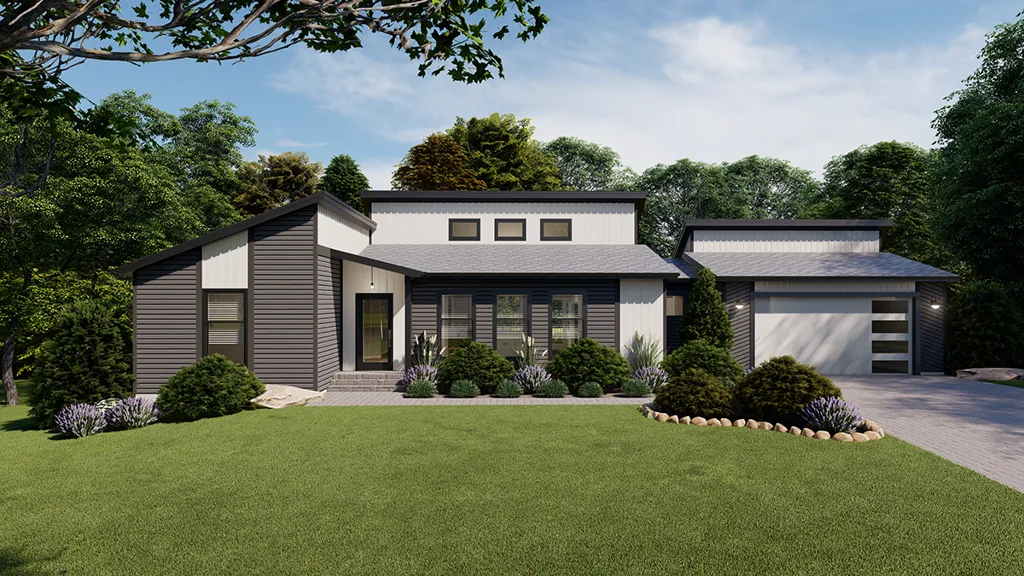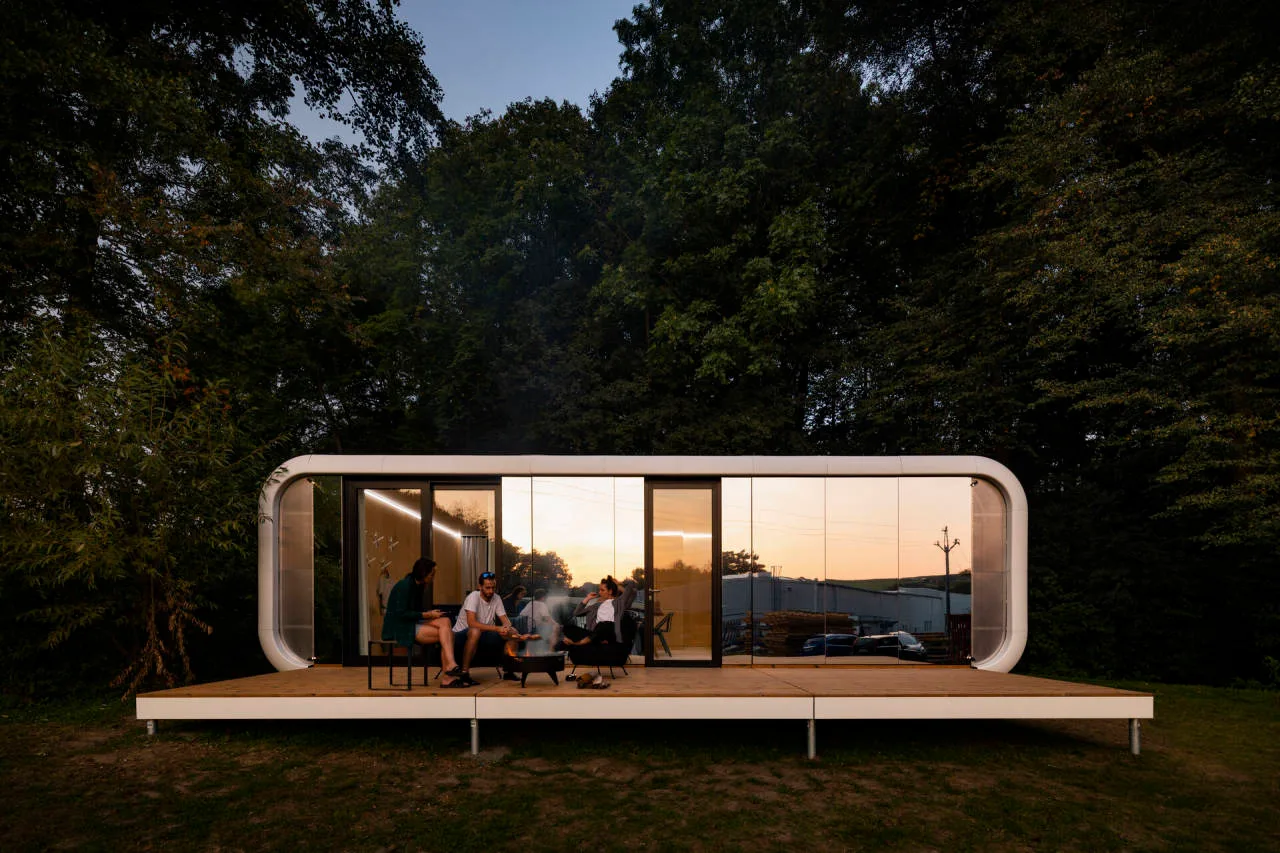
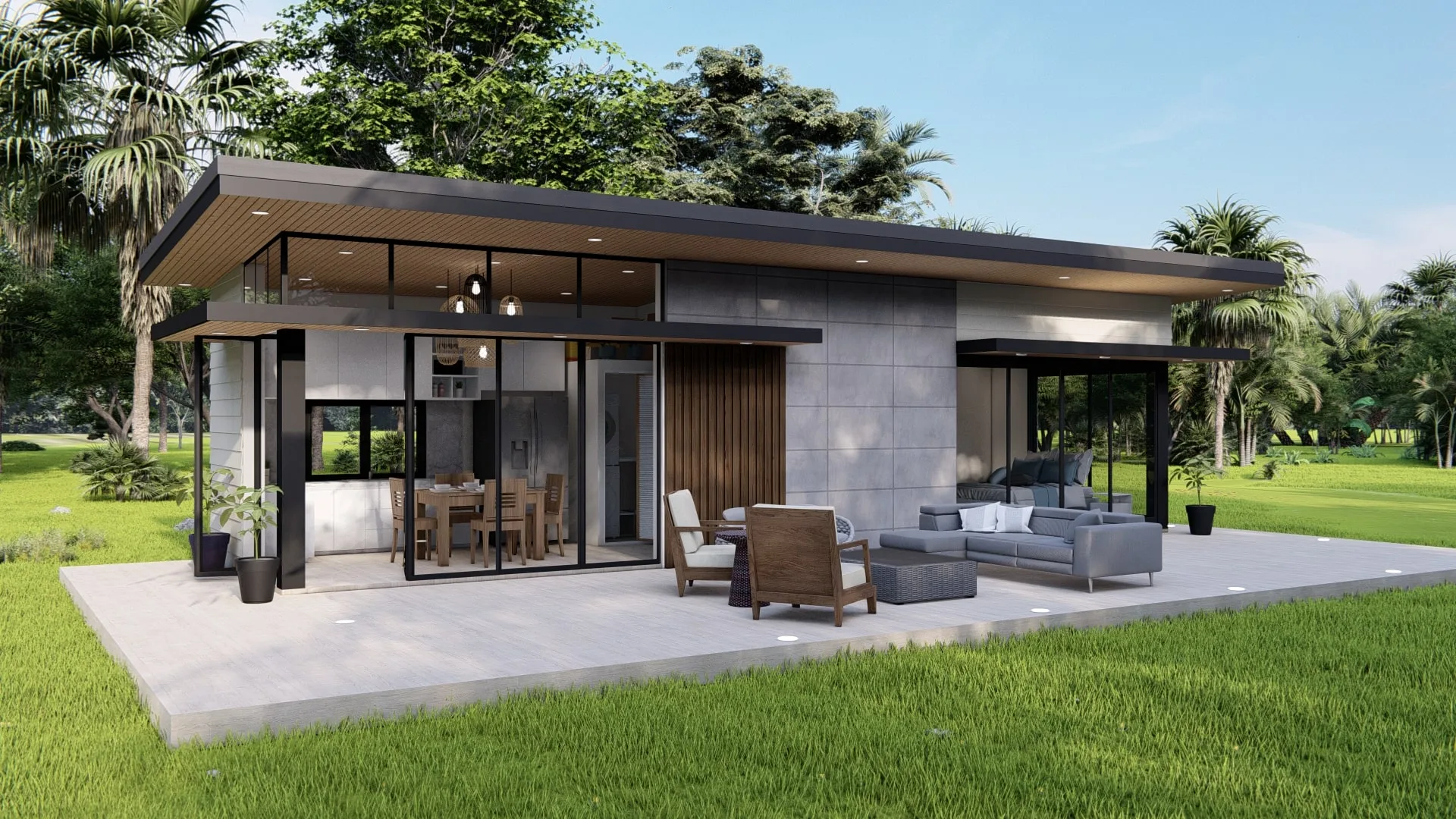
California is one of the most important markets in the United States for modular homes, prefab ADUs and factory-built housing.
A modular home is built in a factory in large sections, often called modules. These modules are transported to the site and installed on a prepared foundation. In California, many buyers will also see the term “factory-built housing.” This is important because a real modular home is not the same as a mobile home or a HUD-code manufactured home.
This article lists 10 modular home manufacturers and providers worth comparing in California. It is not a strict ranking from best to worst. The right company depends on your land, city, fire zone, budget, building size, design needs and whether you want a full home, an ADU or a larger housing project.
What to check before buying a modular home in California
Before choosing a modular home manufacturer, check what can be built on your land.
California has state-level rules for factory-built housing, but your project still needs to work with local planning, zoning, foundations, utilities, site access and inspections. A full-size home, ADU, replacement home, hillside home and fire rebuild may each have different practical requirements.
Do not assume that “modular” means no permits. A modular home can reduce some factory construction work, but the site still matters. Foundations, grading, utilities, sewer or septic, fire access, driveway, crane access and local approval can affect the project.
Also check the difference between modular and manufactured. Some companies sell California Building Code modular homes. Others sell manufactured homes, ADUs or hybrid prefab products. All can be useful, but they are not the same.
10 modular home manufacturers to compare
1. California Modulars
California Modulars is one of the clearest California-focused modular home companies. It presents itself as a State of California HCD-certified manufacturer and licensed general contractor for custom modular homes, ADUs and commercial buildings.
This company may be useful for buyers who want one team to help with design, engineering, permitting, factory construction, delivery and installation.
California Modulars is especially relevant for buyers looking for a full-size modular home or ADU in California rather than a small temporary structure.
Before choosing, ask what is included in the project scope, what site work is separate and whether the company has completed similar homes in your city or county.
2. California Modular Houses
California Modular Houses focuses on factory-built modular homes for California buyers. The company explains that “modular home” is the industry term, while the official California category is factory-built housing.
This company is useful for buyers who want a California Building Code home and want to avoid confusing modular homes with HUD-code manufactured homes.
California Modular Houses may be especially relevant if you want a single-family residence that is built in factory sections and then installed on a permanent foundation.
Before moving forward, ask who handles the local general contractor work, foundation, utilities, delivery and final completion, because the company explains that the modular home still needs licensed site work after delivery.
3. Bevyhouse
Bevyhouse is a Southern California custom modular home company. It offers custom homes, ADUs, multifamily projects and ready-to-build designs.
Bevyhouse may be especially relevant for buyers who want a more custom residential project rather than only choosing a standard model. The company presents its system around modular design, 3D planning and factory construction.
This can be useful for California buyers rebuilding after fire damage, building on a difficult lot or wanting a design that feels more personal than a catalogue home.
Bevyhouse is worth comparing if you want a custom modular home with architectural flexibility.
4. S2A Modular
S2A Modular offers custom modular homes and ADUs in California, as well as commercial and residential development work.
The company may be interesting for buyers looking for modern modular homes, ADUs or larger modular housing projects. It is also visible in California’s modular housing discussion because of its focus on factory-built construction and its California operations.
S2A Modular may be worth checking if you want a modern home or ADU and prefer a company focused directly on modular living.
Before choosing, ask for completed project examples, production timeline, included systems, site requirements and delivery responsibilities.
5. Plant Prefab
Plant Prefab is a California offsite construction company that custom fabricates panelized and modular components for housing and hospitality projects.
This company is slightly different from a simple modular home catalogue brand. It can work with panel-based systems, finished modules and tailored offsite solutions depending on the project.
Plant Prefab may be especially relevant for buyers, architects or developers who want a custom prefab project and are comfortable with a more design-and-build planning process.
For a normal buyer, the key question is whether your project is suitable for Plant Prefab’s system and whether you need an architect or design professional before starting.
6. Dvele
Dvele builds modern high-performance prefab modular homes. Its homes are designed around energy performance, smart systems and factory production.
Dvele may be a good option for buyers who want a premium modern modular home rather than a basic factory-built unit. Its model range includes smaller homes, single-story homes and larger home layouts.
This company is especially relevant for buyers who care about energy independence, resilience and a more finished modern design.
Before choosing Dvele, ask about service area, delivery timeline, foundation requirements, local approvals, site work and what is included beyond the factory-built modules.
7. Method Homes
Method Homes is not based only in California, but it serves California and has completed California projects. It builds custom prefab and modular homes, often with strong architectural design.
Method may be suitable for buyers who want a custom or architect-designed modular home on a California site. It is more design-led than many standard modular companies.
This can be a good option for rural land, coastal sites, remote plots or buyers who want a home designed around the site.
Because Method Homes is a custom builder, buyers should expect a more detailed planning process than simply choosing a small standard unit.
8. Bay Modular
Bay Modular is focused on prefab modular ADUs in California, especially in the Bay Area. Its Solo system uses modular structures based on modified shipping containers and includes pre-approved design elements.
This company may be useful for homeowners who want a backyard ADU rather than a full-size primary house.
Bay Modular presents a full-service process that includes site preparation, foundation, utility hookup and installation. That can be attractive for buyers who want less coordination with separate contractors.
Before choosing, ask whether the selected model works for your backyard, city rules, site access and long-term use.
9. Samara
Samara designs and builds homes, ADUs and multifamily solutions. Its Backyard product is an ADU line, while Locale by Samara is connected with new homes.
Samara may be especially relevant for California homeowners who want a premium ADU product with a structured buying process. It is also notable because the company brought ADU manufacturing in-house through a large factory acquisition.
For buyers, Samara is more likely to be relevant for backyard homes and infill projects than for a traditional full-size custom modular house.
Ask what product is available in your area, what is included, and how the site, utility and permit process works.
10. Azure Printed Homes
Azure Printed Homes is a California company producing 3D-printed modular structures from recycled plastic at its factory in Gardena.
Azure is different from most traditional modular home manufacturers because it uses robotic 3D printing for the building shell. Its offer includes ADUs, tiny homes, backyard studios and developer-scale units.
This may be interesting for buyers who want a smaller modular unit or ADU and are open to a newer construction method.
Because this is a newer type of prefab product, buyers should ask carefully about code approval, local permitting, durability, warranty, insulation, utilities and completed project examples.
Full-size home, ADU or larger housing project?
California buyers should first decide what they are actually trying to build.
If you want a full-size primary home, companies such as California Modulars, California Modular Houses, Bevyhouse, S2A Modular, Dvele and Method Homes may be more relevant.
If you want an ADU, companies such as Bay Modular, Samara, Azure Printed Homes and some California Modulars or S2A options may be worth comparing.
If you are a developer, nonprofit, city, school or housing provider, you may also want to study larger project-based modular builders. California has companies and factories working on multifamily, student housing and institutional modular projects, but those are not always suitable for one private homeowner.
How to compare modular home manufacturers in California
Do not compare only photos.
Ask each manufacturer what type of building they provide. Is it California factory-built housing, a manufactured home, an ADU, a container-based module, a 3D-printed module, a panelized system or a hybrid prefab system?
Then ask what is included in the offer. Some companies may include the finished module only. Others may include design, engineering, permits, transport, crane work, foundation, utility connections and final site work.
Also ask what is excluded. California site work can be a major part of the project. Grading, foundations, septic, sewer, electrical service, fire access, driveways, decks, landscaping and local inspections can change the final cost.
The real price is not only the home price. It is the full delivered and installed project.
Questions buyers should ask before signing
Before paying a deposit, ask for a written specification.
The offer should explain the building size, code path, structure, materials, insulation, windows, doors, roof, siding, kitchen, bathroom, heating and cooling, electrical work, plumbing, transport, installation, payment stages, warranty and exclusions.
Ask for real completed projects, not only renderings. If possible, visit a completed home, factory or show unit. If that is not possible, ask for videos, client references and recent photos.
Also ask whether the manufacturer has delivered in your city or county before. Local experience can be very helpful in California because site rules, fire requirements, plan review, utility work and inspection expectations can vary.
A modular home can make construction more controlled, but it is still a serious building project.
How PrefabFind helps buyers
PrefabFind helps buyers compare modular home manufacturers and prefab manufacturers in one place.
This is useful in California because the market includes full-size modular homes, ADU-focused companies, container-based modules, 3D-printed units, custom prefab builders and larger project-based modular firms.
With PrefabFind, buyers can compare companies by building type, location and project category before contacting suppliers directly.
The goal is not only to find the most famous company. The goal is to find the right manufacturer for your land, city, budget, design and delivery plan.
Conclusion
California has several modular home manufacturers and providers worth comparing. California Modulars, California Modular Houses, Bevyhouse, S2A Modular, Plant Prefab, Dvele, Method Homes, Bay Modular, Samara and Azure Printed Homes all serve different parts of the market.
There is no single best modular home manufacturer for every buyer. Some companies are better for full-size homes. Some are better for ADUs. Some are better for custom architecture. Others are more relevant for newer construction methods or larger housing projects.
The safest approach is simple: check your land first, confirm the local approval path, compare several modular home manufacturers and make sure the full project scope is written clearly before you pay.